Karachi Chokes, Punjab Flickers: Pakistan’s Twin Utility Crisis Sparks Public Fury
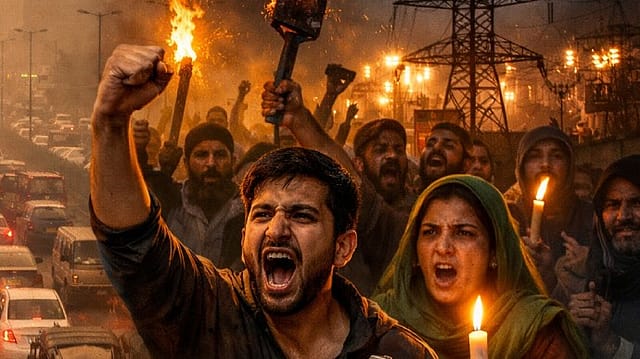
Residents in Karachi and several parts of Punjab are grappling with worsening utility disruptions, as unannounced gas outages and prolonged power cuts have severely affected daily life, triggering public anger and political criticism, according to Dawn.
In Karachi, widespread gas shortages over the past two weeks have disrupted routine activities, particularly during peak meal preparation hours.
Citizens have accused the Sui Southern Gas Company of failing to maintain its stated schedule of uninterrupted supply from 6 am to 10.30 pm.

Rise of the Pivotal Power
18 Sep 2026 - Vol 05 | Issue 38
The BRICS declaration is a strategic victory for Modi
Frequent and unannounced load-shedding has forced households to look for alternative cooking arrangements, causing significant inconvenience.
The crisis has led to overcrowding at restaurants, roadside eateries and LPG stations, where long queues have formed for essential food items such as roti and naan.
How are Karachi gas outages disrupting household cooking and daily life?
Many households have struggled to prepare meals, with women bearing the brunt of the shortages.
Students appearing for ongoing examinations have also been affected, as gas shortages have added to stress alongside existing power and water supply issues in several neighbourhoods.
The situation has been further aggravated by LPG shortages, leaving residents with limited alternatives. Long queues at LPG stations and delays in refilling have worsened the hardship, while in many places LPG supplies were unavailable altogether.
Muhammad Akhtar, a resident of Sultanabad, described his experience while waiting at an LPG shop, saying, "I waited for half an hour, only to be told that the gas would arrive late."
Frustration grew through the day, with many residents turning to social media to voice their grievances against the gas utility.
How has SSGC responded to Karachi gas outage complaints and supply concerns?
In response, the Sui Southern Gas Company said in a statement on Monday that "proper gas supply was ensured throughout the meal times, i.e. breakfast, lunch and dinner" and that line packs were healthy with gas pressures at optimal capacity.
"Even with the shortage of RLNG, SSGC is also ensuring optimal gas supply to the power sector and the fertiliser sector for food security,” the company added.
“Therefore, the company is trying to manage the available resources in a balanced manner so that the needs of all the sectors are met." It also stated that it had not received any "area-wide complaints today,” the company said.
Political leaders criticised the utility for failing to ensure uninterrupted supply.
Muttahida Qaumi Movement-Pakistan leader Ali Khurshidi said the situation was adding to the hardships of inflation-hit citizens.
"It is the responsibility of the SSGC to ensure supply as per the schedule. The persistent crisis speaks volumes about the gas utility's inefficiency," he said.
How are Karachi gas outages being linked to governance failures?
Pakistan Tehreek-i-Insaf Karachi Division Information Secretary and Spokesperson Fauzia Siddiqui also condemned the worsening situation, linking it to broader governance issues.
She said the shortages of gas, along with inflated utility bills and persistent water and electricity outages, reflected "gross incompetence and anti-people policies" of the Sindh government.
"Citizens were first denied water and continue to struggle for every drop. This was followed by prolonged electricity outages, which persist, and now gas load-shedding has made daily life unbearable," she said.
"Despite generating the bulk of Pakistan's revenue, Karachi's residents are left to suffer without access to basic utilities," she said and called for immediate and uninterrupted supply of gas, water and electricity, along with urgent infrastructure rehabilitation.
At the same time, Punjab is facing a parallel electricity crisis, with frequent outages reported across both urban and rural areas due to a widening gap between supply and demand.
Why are Punjab power outages worse in rural areas?
The situation is particularly severe in rural regions served by the Multan Electric Power Company, where outages range from hourly interruptions to as much as 16 hours a day in some localities.
Residents in districts such as Muzaffargarh and Khanewal have reported prolonged and unexpected power cuts, noting a deterioration in recent days without clear explanations from authorities.
Urban centres including Faisalabad and Lahore have also experienced outages lasting three to four hours daily, although disruptions are comparatively less severe than in rural areas. Similar complaints have been reported in areas under the Gujranwala Electric Power Company.
A spokesperson for the Lahore Electric Supply Company denied any major shortfall in the provincial capital, stating that electricity demand and supply remain largely balanced.
She said outages in certain areas were due to scheduled maintenance or repair work, while additional cuts were being enforced in high-loss feeder areas as part of efforts to curb electricity theft.
According to a senior official from Pakistan's Petroleum Division, the power crisis has been exacerbated by a sharp reduction in gas supply to power plants.
Liquefied natural gas imports from Qatar have been halted until May 9, limiting fuel availability for gas-fired power facilities.
Currently, only 90 million cubic feet per day of indigenous gas is being supplied to the power sector, with expectations of an increase to 160 million cubic feet per day in May in Punjab. Gas supply to the fertiliser sector remains suspended and is likely to resume in May.
(With inputs from ANI)