Iran Says “Still Holding The Trigger” While Pushing For Negotiated Settlement With US
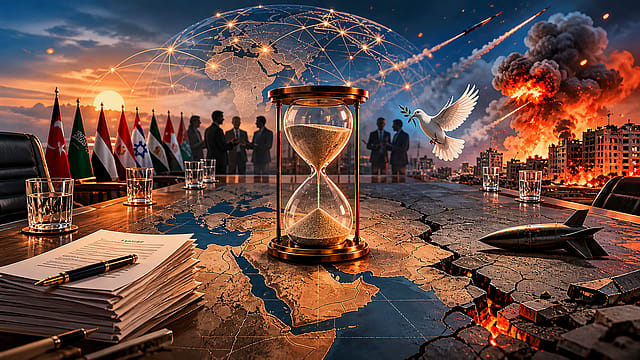
After more than a month of intense conflict, Iran has signalled that it remains militarily prepared even while pursuing diplomacy. A government spokesperson, Fatemeh Mohajerani, described the country’s stance as one of cautious readiness. “We fought the world's greatest military power for 40 days, and we are still holding the trigger and waiting for a negotiated settlement,” she said, underlining that Tehran is not lowering its guard despite ongoing talks.
Why is the ceasefire under strain?
The ceasefire between Iran and the United States, which began on April 8 after 40 days of fighting, appears fragile. Donald Trump sharply criticised Iran’s peace proposal, calling it “a piece of garbage,” and added, “They (Iran) are on life support. The ceasefire is on massive life support.” His remarks reflect deep mistrust between the two sides, even as negotiations continue.
The Identity Project
11 Sep 2026 - Vol 05 | Issue 37
Amit Shah leads the mission for a national demographic correction
What is Iran’s broader strategy?
Iran’s leadership is attempting to balance military vigilance with diplomatic outreach. Mohajerani emphasised that despite the strong rhetoric, Tehran prefers dialogue over prolonged conflict. “Our main focus is on lasting peace,” she asserted. She also pointed to ideological guidance shaping Iran’s approach, saying, “and as the martyred leader said, we pursue diplomatic issues with the three principles of honour, wisdom and expediency,” Mohejerani said.
What role do negotiations play now?
Negotiations remain central to ending the conflict that began on February 28. While both sides have agreed to a ceasefire, the absence of trust and disagreements over proposals have slowed progress. Iran’s messaging suggests it wants a settlement but is prepared for escalation if talks collapse.
Why is internet access part of the discussion?
An important domestic dimension of the conflict has been the near-total internet blackout imposed since hostilities began. Iran has linked the restoration of connectivity to the resolution of the crisis. Mohajerani framed internet access as a right rather than a privilege, stating, “The government's approach is equitable access to all infrastructure, including the internet. We recognise internet access as a civil right, and this is exactly the President's view as well. We do not recognise discrimination and injustice, and we oppose them.”
How is the conflict affecting daily life and the economy?
The restrictions have disrupted businesses and everyday communication across Iran. The government has acknowledged the economic cost of limited connectivity, with Mohajerani noting that the state’s “pro internet policy aims to provide businesses with access to high-quality internet.” She added that “after a return to normal conditions, God willing, this situation too will return to normal.”
What happens next?
The situation remains fluid. Iran’s dual messaging—maintaining military readiness while advocating negotiations—highlights both the risks of renewed escalation and the possibility of a diplomatic breakthrough. Much will depend on whether both sides can bridge their differences and stabilise the ceasefire.
(With inputs from ANI)