Iran oil sanctions eased: What US decision means for global energy supply
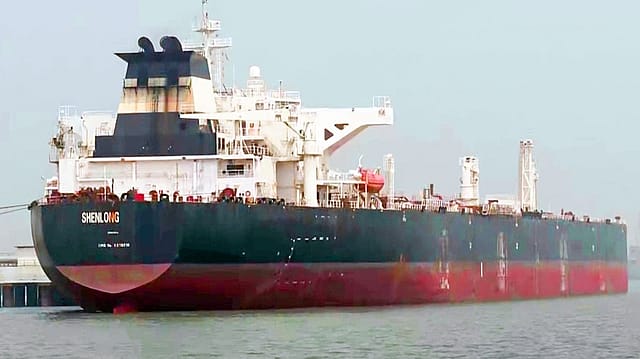
The US Department of the Treasury has announced a limited relaxation of sanctions on Iranian-origin crude oil and petroleum products until April 19, as concerns intensify over supply disruptions through the strategically vital Strait of Hormuz.
The decision, outlined by the Office of Foreign Assets Control (OFAC), allows the delivery, sale, and even import into the United States of Iranian crude and refined products that were already loaded onto vessels as of March 20.
According to the official statement, “All transactions prohibited by the above-listed authorities that are ordinarily incident and necessary to the sale, delivery, or offloading of crude oil or petroleum products of Iranian origin loaded on any vessel… on or before 12:01 am eastern daylight time, March 20, 2026 are authorized through 12:01 a.m. eastern daylight time, April 19, 2026.”

The Health and Wellness Issue
25 Sep 2026 - Vol 05 | Issue 39
What does the temporary authorisation actually permit?
US Treasury Secretary Scott Bessent clarified that the move is tightly restricted to oil already in transit, describing it as a “narrowly tailored, short-term authorization permitting the sale of Iranian oil currently stranded at sea.”
Highlighting the broader intent, he said, “At present, sanctioned Iranian oil is being hoarded by China on the cheap. By temporarily unlocking this existing supply for the world, the United States will quickly bring approximately 140 million barrels of oil to global markets... helping to relieve the temporary pressures on supply caused by Iran.”
He reiterated the limited scope, adding, “This temporary, short-term authorization is strictly limited to oil that is already in transit and does not allow new purchases or production. Further, Iran will have difficulty accessing any revenue generated and the United States will continue to maintain maximum pressure on Iran and its ability to access the international financial system.”
Will this move impact global oil markets and geopolitics?
The move is aimed at stabilising global energy markets at a time when the ongoing conflict involving Iran has effectively disrupted maritime flows, with the Strait of Hormuz largely shut to traffic for nearly three weeks.
Bessent underlined the broader strategy, stating, “At present, sanctioned Iranian oil is being hoarded by China on the cheap. By temporarily unlocking this existing supply for the world, the United States will quickly bring approximately 140 million barrels of oil to global markets, expanding the amount of worldwide energy and helping to relieve the temporary pressures on supply caused by Iran. In essence, we will be using the Iranian barrels against Tehran to keep the price down as we continue Operation Epic Fury.”
He also pointed to wider efforts to boost supply, saying, “So far, the Trump Administration has been working to bring around 440 million additional barrels of oil to the global market, undercutting Iran's ability to leverage its disruptions in the Strait of Hormuz.”
Emphasising domestic priorities, he added, “President Trump's pro-energy agenda has driven U.S. oil and gas production to record levels, strengthening energy security and lowering fuel costs. Any short-term disruption now will ultimately translate into longer-term economic gains for Americans - because there is no prosperity without security.”
(With inputs from ANI)