Iran Confirms Nuclear Talks with US as Both Sides Draw Red Lines
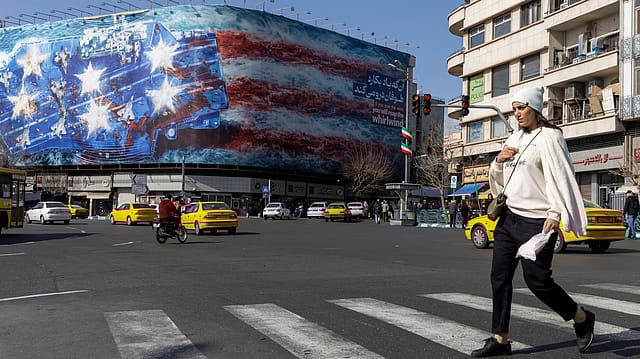
Iran has confirmed that it will hold indirect nuclear talks with the United States in Muscat on Friday morning, signalling a cautious diplomatic re-engagement even as both sides draw firm red lines on what is—and is not—up for negotiation.
Iranian Foreign Minister Abbas Araghchi announced the talks on X, thanking Oman for facilitating the meeting and confirming that the discussions would begin around 10 am local time. The talks come after Tehran requested that the venue be shifted from Istanbul, a move Iranian state media described as logistical rather than political.
According to Iranian officials, the agenda will be strictly limited to Iran’s peaceful nuclear programme and the removal of sanctions, with no scope for discussions on missiles or Iran’s regional role. Tehran has consistently maintained that position, warning that talks can only succeed if conducted “in an atmosphere free from threats and illegal demands.”
Araghchi is expected to lead the Iranian delegation alongside senior diplomats Majid Takht-Ravanchi and Kazem Gharibabadi, while the US side will be represented by Steve Witkoff, President Donald Trump’s special envoy. The negotiations will again be indirect, with Oman acting as mediator, mirroring earlier rounds held before diplomacy was derailed last year by the US-Israeli war involving Iran.

India's Action Hero
27 Mar 2026 - Vol 04 | Issue 64
Riding the Dhurandhar Wave
That conflict, which Iranian officials describe as an unprovoked act of aggression, halted talks just days before a planned sixth round and left more than a thousand people dead in Iran, alongside widespread damage to civilian, military and scientific infrastructure. Since then, tensions across West Asia have remained high, with Iran warning that its military preparedness now exceeds pre-war levels.
Diplomacy resumes, but gaps remain
Even as Tehran seeks to narrow the focus, Washington is signalling willingness to talk—while pushing for a much broader agenda.
US Secretary of State Marco Rubio said the United States is open to engaging with Iran, stressing that talks should not be viewed as a concession or a legitimisation of the Iranian regime. “President Trump is willing to talk to and meet with anyone in the world,” Rubio said, adding that dialogue reflects a preference for peaceful outcomes, not weakness.
However, Rubio made clear that meaningful talks, from Washington’s perspective, would need to cover far more than nuclear issues. He said discussions must also address Iran’s ballistic missile programme, its support for militant groups across the region, and the treatment of its own people.
Rubio pointed to recent protests in Iran, arguing that the country’s economic grievances stem from what he described as the regime’s decision to prioritise regional influence and proxy groups over domestic welfare. He also drew a sharp distinction between Iran’s leadership and its people, saying the clerical establishment does not reflect the aspirations of a society with a deep cultural history.
“If the Iranians want to meet, we’re ready,” Rubio said, while acknowledging uncertainty over whether any deal is achievable. “We don’t see harm in trying to figure out if there’s something that can be done.”
The Muscat talks underline a familiar reality: both sides are willing to return to the table, but on sharply different terms. Iran wants sanctions relief and nuclear-only discussions. The US wants a wider reset covering missiles, militancy and human rights.
For now, Oman’s mediation offers a narrow bridge between two positions shaped by war, mistrust and escalating regional tensions. Whether that bridge holds will depend not just on what is said in Muscat—but on whether either side is willing to move beyond long-held red lines.
(With inputs from ANI)