Explained: Why Tibetans in Exile Are Voting Across 27 Countries
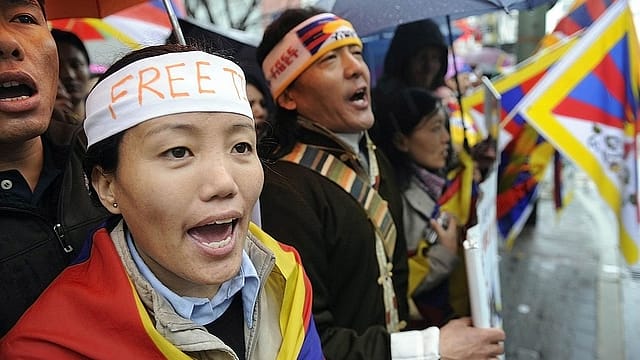
Tibetans without a homeland are heading to the polls across continents. These elections aren’t about governing a country. They are about preserving a cause, an identity, and a democratic voice.
What elections are Tibetans in exile holding?
Tibetans in exile are voting in the first phase of general elections to choose the Sikyong (political head of the Central Tibetan Administration) and members of the Tibetan Parliament-in-Exile.
Why are these elections being called ‘unique’?
Because they are being conducted simultaneously in 27 countries—and not to govern a state, but to lead a freedom movement. According to the Tibetan Election Commission, this makes the process globally rare.

The Grand Design
17 Jul 2026 - Vol 05 | Issue 29
How the Modi government is planning to get its biggest political agenda passed in Parliament
How many voters are participating?
More than 91,000 Tibetan voters have registered worldwide, spanning Asia, Europe, North America and beyond, reflecting the scale of the Tibetan diaspora.
What is the broader purpose of these polls?
These elections are about legitimacy and continuity. They aim to ensure that the Tibetan struggle for autonomy remains democratic, representative, and globally recognised despite decades of exile.
Will the Dalai Lama vote?
The 14th Dalai Lama may cast his vote in South India, where he is currently based. While not confirmed, election officials say special arrangements will be made, as he has voted in the past.
How is the election being organised logistically?
The scale is vast. Thera over 80 regional election commissioners, 309 polling booths and around 1,800 officials, observers and volunteers. This is only the preliminary phase. The final election is scheduled for April 26.
What does this election mean to Tibetans in exile?
For many, it’s a source of pride. Exiled Tibetans describe the process as one of the most robust democratic exercises among displaced communities, underscoring their belief in rights, representation, and freedom.
Does this send a message to China?
Very much so. Exiled Tibetans say the elections highlight the contrast between democratic freedoms enjoyed in exile and the lack of political rights inside Tibet, sending a symbolic but powerful message to Beijing.
Why does this matter beyond the Tibetan community?
Because it shows how democracy can survive without territory, sustained by institutions, belief, and participation. It’s a reminder that political identity doesn’t always need borders.
(With inputs from ANI)