Explained: Why Spain Wants to Ban Social Media for Children Under 16
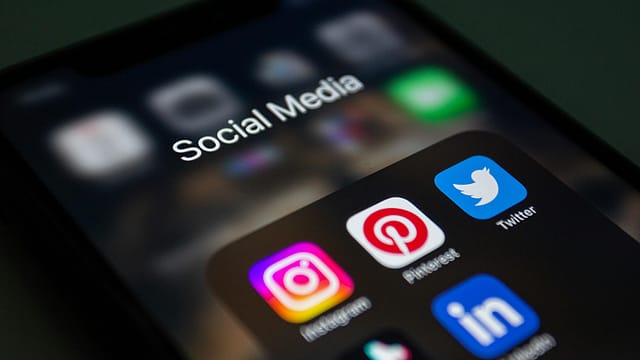
Spain plans to ban social media for under-16s and hold tech executives accountable, intensifying a Europe-wide push against online harm and triggering fierce backlash from Big Tech leaders
What has Spain announced?
Spain plans to ban children under the age of 16 from accessing social media platforms, a move announced by Prime Minister Pedro Sánchez at the World Governments Summit in Dubai. The proposal would amend a digital protection bill currently under debate in parliament and is expected to be approved by Spain’s Council of Ministers shortly, though it still requires parliamentary backing.
Sánchez framed the move as necessary to protect children from what he described as a digital environment filled with “addiction, abuse, pornography, manipulation and violence.”
How would the ban actually work?
The ban would require social media platforms to introduce robust age-verification systems and not symbolic checkboxes. Platforms would be explicitly prohibited from allowing minors to register. The government has not yet detailed the technical standards for verification, but the emphasis is on closing loopholes exposed in other countries, where children have easily bypassed age checks.
Is this just about age limits?
No. The proposal is part of a much broader digital reform package.

Exclusive: To the Heavens and Back
19 Jun 2026 - Vol 04 | Issue 76
Shubhanshu Shukla relives the space odyssey that put India into orbit
Spain also plans to hold social media executives personally accountable for illegal or harmful content, criminalise the manipulation of algorithms that amplify disinformation, hate speech or child exploitation and introduce systems to track how platforms fuel division and amplify hate
Sánchez rejected the argument that technology is neutral. “Hiding behind code is no longer acceptable,” he said.
Why is Spain doing this now?
Several forces are converging. Governments across Europe are increasingly alarmed by rising screen addiction among children, mental health concerns and explosion of AI-generated content, including sexualised images of minors. Public outrage intensified after reports that Grok, the AI tool linked to X, was used to generate non-consensual sexual images. Investigations into Grok are underway in both the EU and the UK, while French prosecutors recently raided X’s offices as part of a cybercrime probe.
How does this fit into a wider European push?
Spain is not acting alone. France is moving legislation to ban social media for under-15s; Denmark has announced similar plans; Portugal is considering parental consent requirements; The UK has launched a public consultation; and Australia became the first country to enforce a nationwide under-16 ban. Spain and Greece are also part of what Sánchez called a “Coalition of the Digitally Willing”—European countries coordinating cross-border regulation.
What has been the reaction from Big Tech?
Social media companies argue such bans are ineffective, difficult to enforce, and potentially isolating for vulnerable teenagers.
Snapchat said Australia’s ban exposed serious enforcement gaps, with users migrating to unregulated messaging apps. Reddit is challenging Australia’s law in court.
Why is Elon Musk at the centre of this controversy?
Because the proposal directly targets platforms like X, which Musk owns.
Musk responded furiously, calling Sánchez a “tyrant and traitor” and later a “fascist totalitarian” in posts on X. Spain has also said prosecutors would explore possible legal infractions involving Grok, alongside TikTok and Instagram, raising tensions between Madrid and Silicon Valley.
Is there political support within Spain?
The politics are mixed. While Spain’s main opposition People’s Party has signalled support, saying it has previously proposed similar restrictions, the far-right Vox party has opposed the move. Meanwhile, Sánchez’s left-wing coalition lacks a parliamentary majority, making passage uncertain.
Public opinion, however, appears to favour restrictions. An Ipsos poll found 82% of Spaniards support banning social media for children under 14.
Do experts agree social media harms children?
Not entirely. Child protection groups say the ban would empower parents and reduce social pressure on children. But some psychologists caution that evidence of harm is not uniform, warning against blanket conclusions.
The debate remains unresolved between protection, freedom, and practicality.
What’s the bigger global takeaway?
Spain’s move signals a turning point. Governments are no longer just regulating content. They are challenging the business models, algorithms and power structures of social media platforms. The fight is no longer about screen time alone. It’s about who controls digital childhood and at what cost.
(With inputs from ANI)