Explained: How the Grammys Became a Stage for America’s Immigration Debate
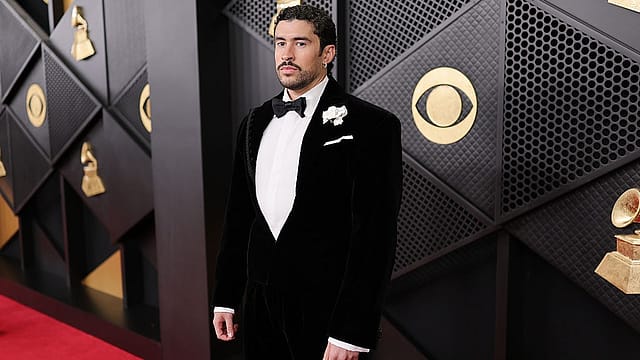
The 2026 Grammys weren’t just about music. They became an unexpected stage for a deeper, sharper conversation about immigrants, identity, and who gets to call America home.
What happened at the Grammys that made immigration the spotlight?
Two moments. Both separate but deeply connected. Bad Bunny, after winning Best Música Urbana Album, used his acceptance speech to directly challenge the treatment of immigrants in the US. Later, Olivia Dean, crowned Best New Artist, spoke through tears about being “a granddaughter of an immigrant.” Together, they turned a music awards night into a statement on belonging.
What exactly did Bad Bunny say and why did it matter?
Bad Bunny didn’t hedge. Before thanking God or collaborators, he addressed US immigration enforcement directly: “ICE out. We’re not savages, we’re not animals, we’re not aliens. We are humans, and we are Americans.” The crowd rose to its feet. In one sentence, he rejected the language often used to dehumanise immigrants and reframed the debate as one about human dignity, not legality.
Why did his words resonate so strongly now?

India's Action Hero
27 Mar 2026 - Vol 04 | Issue 64
Riding the Dhurandhar Wave
Timing. Since Donald Trump’s return to office in January 2025, immigration enforcement has intensified. ICE detention numbers are at record highs, and large-scale operations—like Operation Metro Surge in Minneapolis—have sparked protests, violence, and national outrage. Bad Bunny’s speech landed amid that tension, turning a celebrity moment into a political one.
How does Olivia Dean’s speech connect to this?
Where Bad Bunny confronted power, Olivia Dean reflected on legacy.
Her words reframed immigration not as a crisis, but as inheritance—the courage of one generation enabling the success of the next.
What makes these two moments more than just speeches?
They come from different places but point to the same truth. While Bad Bunny spoke as an immigrant voice under pressure, Olivia Dean spoke as proof of what immigrants build over time. One defended the present and the other honoured the past. Together, they showed immigration as lived experience, not policy abstraction.
Is this the first time the Grammys have turned political?
No, but rarely has it been this direct. Artists have long used award stages to speak on war, race, gender, and inequality. But this year, immigration took centre stage without euphemism, without distance. The message wasn’t subtle: It was personal.
Why are artists speaking now, instead of politicians?
Because artists feel the impact first. Bad Bunny has already avoided touring the US, citing aggressive immigration enforcement. Olivia Dean spoke as someone whose family story could have ended very differently. When policy creates fear, culture often becomes the first place where resistance shows up.
What does this say about the immigrant story in America today?
That it’s no longer just debated It’s felt. On one Grammy stage immigrants were defended, descendants were celebrated and dehumanisation was rejected. Not through slogans but through lived truth.
What’s the larger takeaway from the night?
Immigrants weren’t asking for sympathy. They were asserting presence. As Bad Bunny put it: “The only thing more powerful than hate is love.” And on a night meant for music, that message carried louder than applause.
(With inputs from ANI)