Empty Pumps, Long Queues: Myanmar Battles Worsening Fuel Crisis
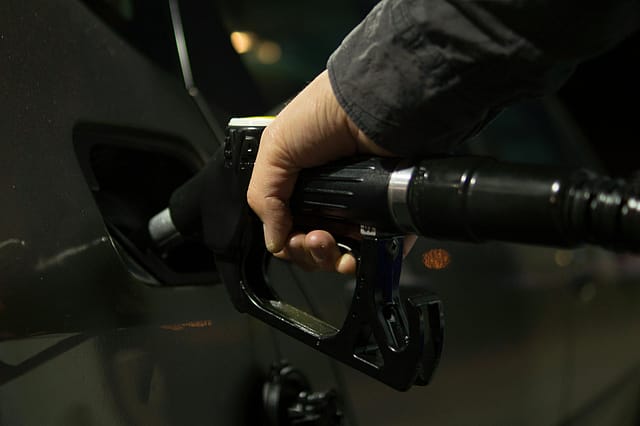
Fuel queues are stretching as a global oil shock triggered by the West Asia war chokes supply. With more than 90% dependence on imported fuel, Myanmar is facing empty pumps, record prices, and rationing systems that are now spilling over into agriculture and power.
Here’s a more detailed look.
Why has the Myanmar fuel crisis intensified after the West Asia conflict?
The escalation of the West Asia conflict has disrupted global oil flows, tightening supply routes critical to import-dependent economies like Myanmar. Queues have formed across the country as imports slowed.
With 90–96% of its refined fuel demand met through imports, Myanmar’s limited domestic capacity has turned a global shock into a full-blown fuel crisis.
Look Who's Talking Regime Change
23 Oct 2026 - Vol 05 | Issue 43
What is happening at fuel stations across Myanmar?
Long queues and empty pumps have become routine across Myanmar, especially in Yangon and Mandalay. Under an odd-even system, motorists queue overnight for QR-based quotas, while caps like 50,000 kyats per visit leave many without fuel.
Why are fuel prices rising so sharply?
Global oil spikes linked to the West Asia conflict have pushed domestic prices to post-coup highs, with gasoline up 55.4% and diesel 76.9%. Currency weakness and supply bottlenecks have further accelerated inflation.
How has the fuel crisis affected daily life?
Rising fuel costs have disrupted transport and supply chains, while diesel shortages have worsened power outages. Businesses face reduced hours, and households struggle with higher living costs and limited mobility.
What risks does the fuel crisis pose to agriculture?
The crisis threatens Myanmar’s rice cycle, which relies on diesel-powered machinery. Farmers are struggling to run pumps and harvesters, while prices nearing MMK 3,999 per litre risk delaying planting and reducing yields.
How is the government responding to the fuel shortage?
Authorities have imposed strict rationing across Myanmar, limiting fuel purchases to about 35 to 45 litres per week under controlled distribution. These measures have led to confusion, longer queues, and uneven access, without easing shortages or stabilising supply. Enforcement has been chaotic, in border states like Shan and Kachin, stations have reportedly stopped accepting the codes altogether due to connectivity issues.
Is a black market emerging amid the crisis?
A parallel fuel market is expanding as official supplies dwindle. Black-market prices are nearly 2.25X higher than official rates. This has deepened inequality, with only those able to pay premium prices securing consistent access.
What are the broader implications of the Myanmar fuel crisis?
The Myanmar fuel crisis underscores how global conflict can destabilise fragile economies. As the West Asia war disrupts supply chains, prolonged shortages risk accelerating inflation, straining essential sectors, and deepening an already severe humanitarian crisis.
(With inputs from yMedia)