Centre underestimated cohesion, sense of purpose of Opposition: CPM
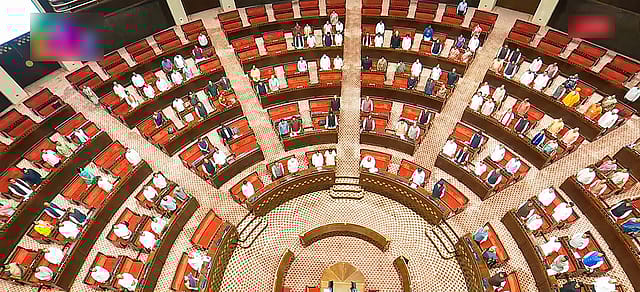
Senior Communist Party of India (Marxist) leader and Rajya Sabha member John Brittas has described the defeated 131st Constitution Amendment Bill, 2026, as a “diabolical” plot of the Centre which has fallen flat in Parliament on April 17 thanks to a “united” Opposition, which he argued, has exposed the deceptive politics of the ruling dispensation. The Bill linked women’s reservation, on which there is all-party consensus, to delimitation.
“The government was thinking that it could take the opposition for granted because of the inherent contradictions within the Opposition, especially because of the West Bengal elections. Despite several opposition parties fighting one another in the West Bengal polls, there was a cautious and meticulous effort to ensure that utmost unity in purpose and action was maintained in the Lok Sabha,” Brittas told Open a few hours after an all-party meeting in the Rajya Sabha in which he and Congress President Mallikarjun Kharge, in the presence of various ministers and Sonia Gandhi, exchanged wisecracks. When Kharge said that he expressed solidarity with CPM General Secretary MA Baby who had rushed to Noida amidst workers protests, Brittas thanked him and added, “Kharge-ji, you are extremely nice in Delhi but nasty when you come to Kerala.” The remark drew bouts of laughter in the meeting.
Brittas, leader of the CPM in the Rajya Sabha, told Open that he was mightily impressed by the stand taken by Samajwadi Party (SP) chief Akhilesh Yadav who was not swayed by the prospects of more Lok Sabha seats from Uttar Pradesh. “He was in a vulnerable position in the north vs south delimitation narrative, and yet he stood firm. The statement by Akhilesh to the BJP that even if you promise to make a woman a prime minister, we will not support this Bill was profound,” the Rajya Sabha member from Kerala said, emphasising that he was disappointed by the conduct of the N Chandrababu Naidu-led Telugu Desam Party (TDP) and the YS Jagan Mohan Reddy-steered YSR Congress Party which voted in favour of the government’s move to link the women’s quota Bill with the Delimitation Bill at a time when there is hardly any demographic convergence in the country, with the north steadily contributing more to population growth. “TDP and YSRCP backed a Bill that was aimed to weaken the representation of their respective states, Andhra Pradesh and Telangana, in Parliament. This defeat of the Bill is a personal setback to them both who supported the Centre,” Brittas noted.

Open Minds 2026
26 Jun 2026 - Vol 05 | Issue 26
The power of ideas and arguments in 50 portraits
The CPM central committee member added that the opposition, which met and discussed issues concerning the slow pace of demographic convergence, as a whole is not bothered about the rhetoric by the government against them that they let the women of India down. “We challenge the government to immediately bring in legislation to ensure one-third women’s representation in the Lok Sabha on the basis of the current strength of 543. We will wholeheartedly support it,” he said, adding, “It is not the Women’s Reservation Bill that has been defeated, as being claimed by the government and a section of the media. The proposal to reserve 33% of seats for women in the Lok Sabha and State Assemblies was passed in 2023. What has been defeated today is the BJP government’s attempt to use delimitation as a tool to undermine India’s democracy and federal structure.”
Experts have said that states that have done well on federal population control schemes will end up being penalised by any delimitation exercise done in a hurry and until the fertility rates of all states fall within a narrow band of plus or minus 10 percent of the national average.