When Hydration Turns Dangerous: Understanding Water Intoxication
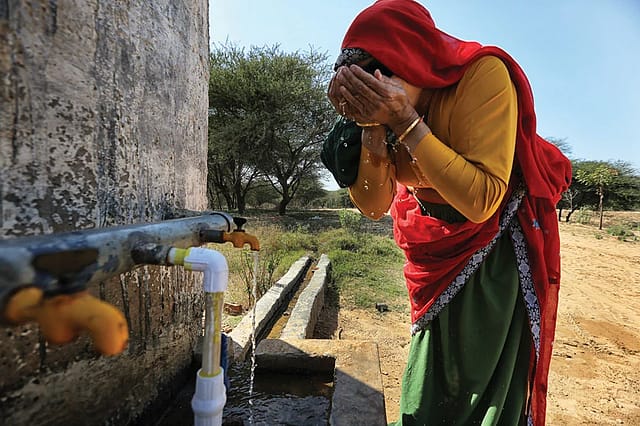
Hydration is routinely promoted (and scientifically accepted for the longest time) as essential to health. In rare but serious cases though, excessive consumption can trigger water intoxication - a potentially fatal condition caused by dangerously low sodium levels in the blood. Drink too much in a short period, and your body’s electrolyte balance collapses. In severe cases, the result can be seizures, coma or death.
Here is what you need to know.
What Is Water Intoxication?
Water intoxication occurs when excessive fluid intake dilutes sodium in the bloodstream, leading to hyponatremia. Sodium regulates fluid movement between your cells and supports your nerve and muscle function. When blood sodium falls below 135 milliequivalents per litre (mmol/L), symptoms begin to appear.
According to the Mayo Clinic, severe hyponatremia can cause brain swelling and life-threatening neurological complications.
Why Does Drinking Too Much Water Become Dangerous?
The kidneys can excrete roughly 0.8-1 litre of water per hour under normal conditions. When intake exceeds this rate, fluid accumulates faster than it can be eliminated. Rapid sodium dilution disrupts cellular stability. The danger lies not only in volume, but in how quickly the imbalance develops.
What Are the Early Warning Signs?
Initial symptoms often resemble mild dehydration or fatigue, making early detection difficult. Headache, nausea, vomiting and bloating are common warning signs. As sodium levels decline further, confusion, irritability and muscle weakness may develop. Severe water intoxication can escalate to seizures, loss of consciousness and respiratory arrest if not treated promptly.

Travel Issue 2026
15 May 2026 - Vol 04 | Issue 71
The Cultural Traveller
Who Is Most Likely at Risk?
Endurance athletes are among the most documented cases of exercise-associated hyponatremia. The Centers for Disease Control and Prevention notes that prolonged sweating combined with excessive water replacement increases risk. Military trainees and participants in extreme hydration challenges have also been affected. Infants and individuals with certain psychiatric conditions face heightened vulnerability.
What Does Water Intoxication Treatment Involve?
Water intoxication treatment depends on severity. Mild cases require fluid restriction and monitoring of sodium levels. Severe hyponatremia demands carefully controlled intravenous saline in hospital settings. Medical guidelines emphasise gradual sodium correction because overly rapid shifts can cause permanent neurological injury. Close supervision is critical to prevent complications.
How Much Water Is Too Much?
There is no single universal limit, as fluid needs vary based on body weight, climate and activity levels. However, medical experts caution against consuming several litres within a short span, especially without electrolyte replacement.
In documented cases of water intoxication, individuals consumed 4-6 litres within a few hours. The emphasis has shifted from “drink as much as possible” to “drink to thirst.”
What Previous Incidents Have Highlighted the Risk?
In 2022, Australian woman Tammy Shipley died from water intoxication after consuming approximately 20 litres of water in about 12 hours while in custody. The case resurfaced and drew wider public attention in 2026 when the coronial inquest concluded that her condition resulted from acute hyponatremia.
How Can Water Intoxication Be Prevented?
Prevention centres on balanced hydration rather than excessive fluid intake. Experts recommend drinking according to thirst and incorporating electrolyte replacement during prolonged exercise. Sports medicine research discourages rigid intake targets that ignore individual physiology. Moderation and sodium balance remain essential safeguards.
Why Does Awareness of Water Intoxication Matter?
Cultural messaging often equates more hydration with better health. However, water intoxication underscores the risks of excess without context. While rare, the condition is preventable with informed hydration practices. Understanding physiological limits ensures that a life-sustaining habit does not become life-threatening.
(With inputs from yMedia)