The Woman Behind the Screen: Usha Nadkarni Opens Up About Loneliness, Abuse and the Price of Chasing Her Dream
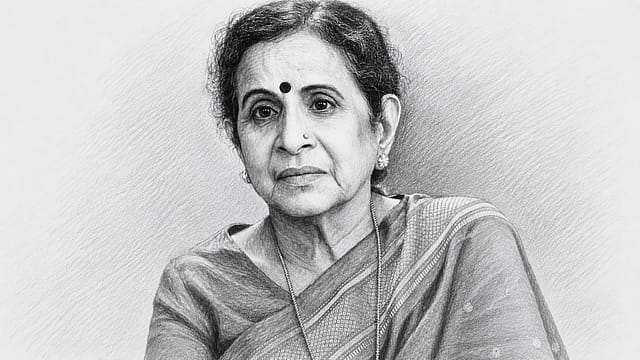
For millions of viewers, she will always be the formidable Savita Deshmukh from Pavitra Rishta. But behind the screen persona lies a story far more powerful than any character she ever played.
Veteran actor Usha Nadkarni, now 80, has opened up about the deeply personal struggles that shaped her life, revealing how a career spanning nearly seven decades came with loneliness, family estrangement and unimaginable hardship. Her candid reflections offer a rare glimpse into the woman behind one of Indian television's most familiar faces.
Who is Usha Nadkarni?
Usha Nadkarni is among the most respected names in Marathi theatre, Hindi television and Indian cinema. Over nearly seven decades, she has appeared in films such as Vaastav, Rustom and Great Grand Masti, but it was her portrayal of Savita Deshmukh in Pavitra Rishta that made her a household name across India. Even at 80, she continues to work, driven by a passion for acting that began in childhood.

Rise of the Pivotal Power
18 Sep 2026 - Vol 05 | Issue 38
The BRICS declaration is a strategic victory for Modi
How long has she been living alone?
Since 1987. Nadkarni revealed that solitude has been part of her life for nearly four decades. In the beginning, she admits, fear was constant. When she first moved into her apartment, she was so frightened that she would ask the building's watchman to escort her to her door every night, worried someone might attack her from behind. Over the years, that fear disappeared. Today, she says, living alone has simply become her way of life.
Is she afraid of growing old alone?
Not anymore. Nadkarni says she has made peace with uncertainty and no longer fears death. She believes nobody knows how life will end. Some people die peacefully in their sleep, others in hospitals. Rather than worrying about what lies ahead, she has chosen acceptance over anxiety.
What did acting cost her personally?
Perhaps her biggest sacrifice was motherhood. Her relentless theatre and shooting schedules meant her son was largely raised by his grandmother. The emotional distance that followed still hurts. According to Nadkarni, her son once told her that she had only given birth to him, while his grandmother was the one who truly raised him. It is a remark she remembers without resentment, but with the quiet honesty of someone who understands that every dream extracts a price.
What was her childhood like?
Far from easy. Nadkarni has recalled growing up in an abusive household, where her father, an Air Force officer, was often violent. In one shocking incident, she intervened while he was assaulting her brother. He allegedly attacked her with a koita, a curved farming blade, leaving her arm badly injured. Remarkably, she still went ahead and performed in a stage play the very next day.
Did her family support her acting ambitions?
Initially, no. Her mother, a schoolteacher, disapproved of acting and once threw her belongings out of the house. Nadkarni spent nearly a week at a friend's home before her father eventually brought her back. The resistance, however, did little to shake her determination. She chose acting anyway. And never looked back.
What does her journey say about success?
Behind one of Indian television's most recognisable faces is a woman who endured abuse, loneliness and personal sacrifice without allowing bitterness to define her. Nearly seven decades after stepping onto a stage for the first time, Usha Nadkarni continues to work, continues to perform and continues to live on her own terms. Perhaps that is the most remarkable role she has ever played.
(With inputs from yMedia)