Ayushman Bharat at 8: 60 Crore Covered, ₹2.03 Lakh Crore in Hospital Care
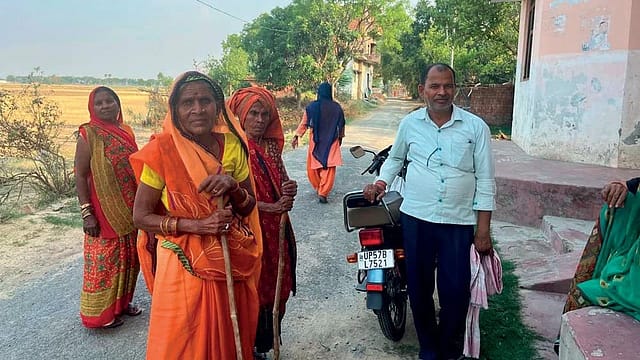
More than 60 crore people covered, over 48.54 crore Ayushman cards created and 13.25 crore hospital admissions funded: the government marked eight years of Ayushman Bharat Pradhan Mantri Jan Arogya Yojana on September 23 with figures outlining the scale of its healthcare programme.
Prime Minister Narendra Modi said the initiative had expanded access to affordable treatment and financial protection, while Union Health Minister JP Nadda highlighted the growth of its hospital network and beneficiary base.
Launched on September 23, 2018, PM-JAY provides eligible families with cashless hospitalisation cover of up to ₹5 lakh annually for secondary and tertiary care.
₹5 Lakh a Year, Per Family
Marking the anniversary in a post on X, Modi said Ayushman Bharat had begun with the aim of making quality, affordable healthcare accessible to every Indian.

Zeroing In on ECI
09 Oct 2026 - Vol 05 | Issue 41
Constitutional legitimacy versus political opportunism
“Today, more than 60 crore beneficiaries have access to Rs. 5 lakh annual health cover, making it the largest healthcare scheme in the world,” he wrote.
The ₹5 lakh entitlement is an annual family cover, rather than a separate allowance for each beneficiary. PM-JAY’s hospitalisation component is distinct from the primary healthcare services delivered through Ayushman Arogya Mandirs.
Modi said the initiative had enabled savings on medical expenses and brought healthcare closer to people’s homes.
13.25 Crore Admissions Funded
As of August 31, 2026, PM-JAY had funded 13.25 crore hospital admissions worth ₹2.03 lakh crore through more than 38,000 empanelled public and private hospitals, according to government figures cited in the report.
These are hospital admissions, which can include repeat admissions by the same person. The figure should therefore not be read as a count of unique patients. Similarly, the value of treatment funded is not a separately measured estimate of household savings.
In his September 23 post, Nadda cited more than 39,000 empanelled hospitals and over ₹2 lakh crore worth of hospitalisation and treatment availed under the scheme.
He also said more than 48.54 crore Ayushman cards had been created for a covered population exceeding 60 crore.
1,961 Procedures Across 27 Specialities
PM-JAY covers 1,961 procedures across 27 medical specialities, with the stated aim of protecting eligible families from catastrophic medical expenses.
Eligibility includes families identified through specified deprivation and occupational criteria, alongside additional groups brought into coverage through government initiatives.
The report lists construction workers, road accident victims, transgender persons covered under the SMILE initiative, waste pickers, sanitation workers and Particularly Vulnerable Tribal Groups among those categories.
Coverage has also been expanded to include Accredited Social Health Activists, or ASHAs, anganwadi workers and helpers, and senior citizens aged 70 and above.
Expanded Reach for Seniors and Frontline Workers
More than 1.36 crore senior citizens had received Ayushman Vay Vandana cards as of September 21, 2026.
By the same date, over 44.81 lakh Ayushman cards had been created for ASHAs, anganwadi workers and helpers.
Nadda said the government remained committed to strengthening an accessible, affordable and inclusive healthcare system, describing the programme as a means of translating financial protection into treatment for families.
500 Crore Visits to Arogya Mandirs
Beyond hospitalisation, Modi highlighted the role of Ayushman Arogya Mandirs in expanding primary healthcare.
“Ayushman Arogya Mandirs have already recorded over 500 crore visits, strengthening primary healthcare at the grassroots,” he wrote.
That figure measures visits to primary care facilities, rather than unique visitors or PM-JAY hospital admissions.
The government said PM-JAY works alongside Ayushman Arogya Mandirs, the Ayushman Bharat Digital Mission and the PM-Ayushman Bharat Health Infrastructure Mission to strengthen services across primary care and hospital-based treatment.
With inputs from ANI