PM Narendra Modi’s Historic Streak: From Gujarat to Delhi, A Leadership Record Unmatched
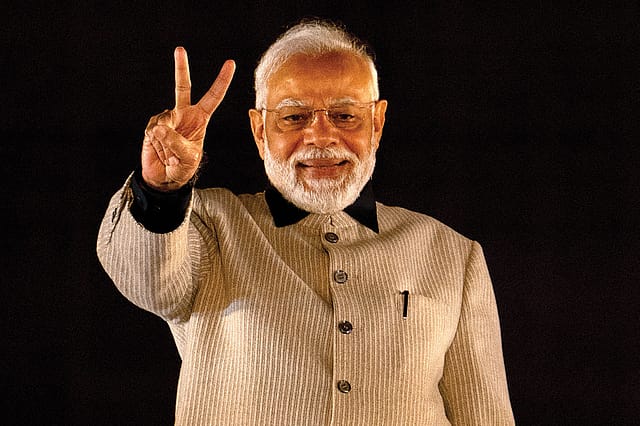
Prime Minister Narendra Modi’s tenure in elected executive office crossed 8,931 days on March 22, 2026, making him India's longest-serving elected head of government. The record spans his time as Gujarat Chief Minister from October 2001 and three consecutive terms as Prime Minister, a continuity no other leader in independent India has matched across both state and national office.
Here’s a look at the electoral milestones, broken records, and long-term implications that define this tenure.
The Making of PM Modi's Record
PM Modi was sworn in as Gujarat Chief Minister on October 7, 2001, and has not left elected executive office since. On March 22, 2026, his combined tenure crossed 8,931 days, edging past former Sikkim Chief Minister Pawan Kumar Chamling's record of 8,930 days. The record accounts for more than 13 years as Gujarat CM and over 11 years as PM, across three consecutive terms.
The Electoral Foundation Behind PM Modi’s Tenure
PM Modi won three consecutive Gujarat Assembly elections before winning three consecutive Lok Sabha elections. He is the first non-Congress leader to secure a full majority in Parliament and the first to return for a third consecutive term as Prime Minister. No other leader in post-Independence India has built a comparable back-to-back electoral record across both state and national office.
Records PM Modi Has Broken as Prime Minister
In July 2025, Modi crossed 4,078 consecutive days as Prime Minister, surpassing Indira Gandhi's record for uninterrupted tenure. He also holds the distinction of being the PM with the longest prior experience as a Chief Minister before taking national office, a factor that arguably shaped his administrative style from day one.
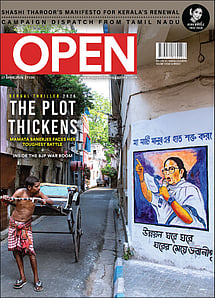
Bengal Thriller 2026: The Plot Thickens
17 Apr 2026 - Vol 04 | Issue 67
Mamata Banerjee faces her toughest battle
The Link Between PM Modi's Tenure and the 2047 Roadmap
If PM Modi completes his third term, his tenure will have covered nearly half the years between Independence and India’s centenary. That is the lens through which his Viksit Bharat vision, targeting a USD 30 trillion economy by 2047, needs to be read. The tenure and the roadmap are now one argument.
PM Modi's Tenure and What It Means for Indian Democracy
PM Modi's tenure raises a harder question than it answers. Sustained electoral dominance by one leader, over one quarter century, inevitably reshapes the institutions around him. Whether that reshaping strengthens India's democratic architecture or strains it is the assessment that historians, and voters, will spend the next two decades making.
(With inputs from yMedia)