PM Modi inaugurates ₹3,350 crore Ladakh projects: New Leh airport terminal, strategic road and more
What does development look like in a region where high mountain passes, harsh winters and long distances can make everyday journeys a challenge? In Ladakh, the answer could lie in a bigger airport terminal, an alternative road to the rest of the country, more reliable electricity and better ways to conserve scarce water.
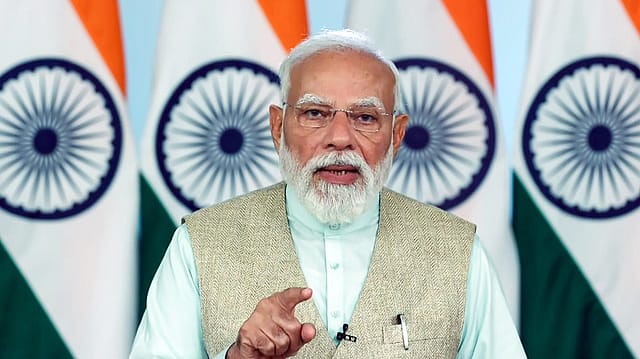
Prime Minister Narendra Modi on Thursday, October 15, virtually inaugurated and dedicated five major development initiatives worth around ₹3,350 crore in the Union Territory. The projects cover transport infrastructure, renewable energy, archaeological conservation and water management.
Addressing the gathering through video conferencing, Modi described the occasion as another chapter in Ladakh’s development. According to the Prime Minister’s Office, the initiatives are intended to improve connectivity, strengthen essential services and protect the region’s cultural heritage.

Zeroing In on ECI
09 Oct 2026 - Vol 05 | Issue 41
Constitutional legitimacy versus political opportunism
Leh airport’s new terminal aims to handle 35 lakh passengers annually
One of the biggest projects is the new passenger terminal at Kushok Bakula Rimpochee Airport in Leh, built at a cost of approximately ₹640 crore. Spread across 23,800 square metres, it is designed to handle 35 lakh passengers annually. The terminal’s capacity is expected to rise from around 10 lakh passengers a year to 35 lakh, accommodating growing demand from tourists and other travellers. Its design blends modern passenger facilities with elements inspired by Ladakh’s cultural identity.
There is also a sustainability angle. The terminal incorporates geothermal technology for heating, alongside solar energy. According to the government’s project announcement, it is India’s first airport terminal to feature geothermal heating.
For a high-altitude destination with demanding climatic conditions, the technology is intended to improve energy efficiency while reducing the facility’s environmental footprint.
Nimmu-Padum-Darcha road offers Ladakh an alternative route
The second major highlight is the 298-km Nimmu-Padum-Darcha Road, built by the Border Roads Organisation (BRO). It connects Nimmu near Leh with Darcha in Himachal Pradesh, passing through the remote Zanskar Valley and crossing the high-altitude Shinkun La Pass.
Why does another road matter? Ladakh’s connectivity depends heavily on mountain routes that can be disrupted by weather and difficult terrain. The new corridor supplements the existing Srinagar-Leh and Manali-Leh highways, offering an alternative route into the region. The government says it will strengthen logistical support for the Armed Forces while improving residents’ access to healthcare, education, markets and other essential services. A proposed tunnel beneath Shinkun La is intended to improve year-round connectivity further.
Hydropower and 40 village water bodies target local needs
The package also includes the 9 MW Hanu Small Hydroelectric Project and a 66 kV double-circuit transmission line linking Dah, Hanu and Khaltsi. Together, these projects are intended to improve electricity transmission and make the power network more reliable. Water security is another priority. Under Project Him Sarovar, 40 water bodies developed across 40 villages have been inaugurated to help address seasonal shortages, support irrigation and sustain agricultural livelihoods.
The challenge is particularly important in Ladakh, where water availability can vary significantly across seasons, leaving farmers short of supplies during crucial sowing periods.
India’s first petroglyph conservation park opens in Leh
The fifth initiative is India’s first Petroglyph Conservation Park at Sindhu Ghat in Leh. Ladakh’s prehistoric rock carvings depict animals, human figures and symbolic designs, offering clues to the region’s ancient history.
The park is intended to protect these vulnerable archaeological remains, raise awareness and encourage responsible heritage tourism.
The infrastructure announcements come as Ladakh’s political representatives continue discussions with the Union government over governance arrangements and long-standing demands, including statehood and constitutional safeguards.
Together, the projects address practical needs across a vast and challenging landscape. Their longer-term impact will depend on how effectively the new infrastructure is maintained and how far its benefits reach communities beyond the main tourist and transport corridors.
(With inputs from ANI)