Meta Under Fire: Zuckerberg Apologises as Government Questions Safe Harbour Protection
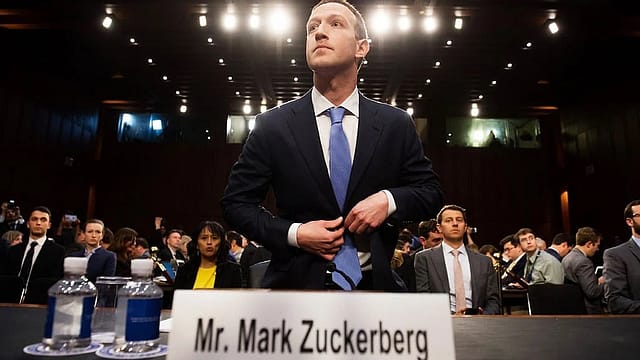
Meta's legal protections in India could come under fresh scrutiny after Chief Executive Officer Mark Zuckerberg reportedly apologised to the government over child sexual abuse material (CSAM), deepfake content and operational errors on the platform, while officials questioned whether the social media giant should continue to enjoy "safe harbour" protection under the Information Technology Act.
According to sources, the government conveyed to Meta that the company may not fall within the definition of an "intermediary" because its algorithms actively determine who receives content rather than merely hosting it.
"Mark Zuckerberg sent his apologies for the CSAM content, deepfake content and errors in operating the platform. It was made clear to them that they are not covered under the intermediary definition. They select who receives the content. Safe harbour under the IT Act is not applicable," a source said.

Losing Memory
16 Oct 2026 - Vol 05 | Issue 42
The making of a medical and social emergency
The development follows a 45-minute meeting on Wednesday between a high-level Meta delegation led by Chief Global Affairs Officer Joel Kaplan and Ministry of Electronics and Information Technology (MeitY) Secretary S. Krishnan.
During the meeting, Meta officials explained the circumstances surrounding the erroneous removal of Prime Minister Narendra Modi's Facebook video on action against examination paper leaks last month. The company has maintained that the video was taken down because of a technical error and was later restored.
The issue has, however, escalated into a larger debate over the responsibilities of social media platforms.
Earlier in the day, BJP MP Nishikant Dubey, who heads the Parliamentary Standing Committee on Communications and Information Technology, reiterated that the committee had sought a personal apology from Zuckerberg, arguing that the removal of the Prime Minister's video was an editorial decision rather than the action of a neutral intermediary.
Dubey warned that if Zuckerberg failed to apologise, Meta's safe harbour protection under Section 79 of the Information Technology Act should be withdrawn.
He also accused major social media platforms of failing to adequately tackle child sexual abuse material and objectionable content, alleging that they had not complied with the government's expectations on content moderation.
The controversy stems from the temporary removal of Prime Minister Modi's July 23 Facebook video addressing students during the nationwide protests over alleged irregularities in the NEET-UG 2026 examination. In the video, the Prime Minister had promised stricter legal action against examination paper leaks.
Meta restored the video on July 28, saying it had been removed "in error."
The latest developments suggest that the dispute has moved beyond a single takedown and now centres on a broader regulatory question: whether algorithm-driven social media platforms that actively curate and recommend content can continue to claim the legal protections available to neutral intermediaries under Indian law.
If that question ultimately leads to changes in Meta's legal status, it could have far-reaching implications for how global technology platforms operate in India.
(With inputs from ANI)