Explained | Why the India–US Critical Minerals Push Matters Now
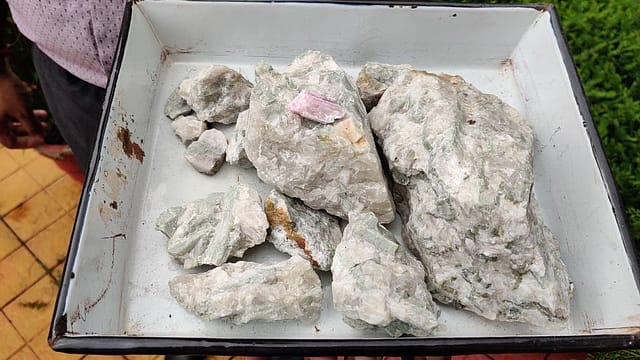
India and the US are deepening strategic ties through a critical minerals push aimed at securing supply chains vital for technology, defence and clean energy.
What is the Critical Minerals Ministerial?
The United States is hosting the inaugural Critical Minerals Ministerial at the State Department, bringing together delegations from over 50 countries to coordinate global efforts to secure and diversify critical mineral supply chains. The three-day meeting is being convened by US Secretary of State Marco Rubio and is being framed as a foundational step toward long-term cooperation on minerals essential to technology, economic competitiveness and national security.
Why is this meeting significant right now?
Timing is everything. The ministerial comes immediately after the India–US trade deal, which reduced tariffs on Indian goods from 25% to 18% and reset economic ties after months of friction. With trade tensions eased, both countries are now pivoting to strategic supply chains—especially minerals crucial for semiconductors, electric vehicles, defence systems and clean energy. In short, trade was the reset. Critical minerals are the next big push.

The Modi Years
02 Oct 2026 - Vol 05 | Issue 40
A Nation Rebuilt
What role is India playing at the ministerial?
External Affairs Minister S Jaishankar is attending the meeting during his US visit from February 2–4. He is also scheduled to hold a one-on-one meeting with Secretary Rubio, signalling the importance New Delhi attaches to the talks. India’s participation positions it as a key partner in building resilient, non-China-dependent supply chains, leveraging its geological resources, refining capacity and growing manufacturing base.
Why are critical minerals such a strategic priority?
Critical minerals—such as rare earths, lithium, cobalt and nickel—are indispensable for advanced electronics and semiconductors, defence platforms and weapons systems and renewable energy and electric vehicles. The US State Department has described cooperation on these supply chains as vital to America’s economic security, technological leadership and energy transition.
How does this fit into broader India–US engagement?
The ministerial is part of a wider strategic convergence. Earlier this month, the US Treasury hosted a Finance Ministerial on critical minerals, attended by senior officials from countries including India, Australia, Canada, Japan, the EU and the UK, with India represented by Ashwini Vaishnaw. Parallel engagement is also underway on defence. A US Congressional delegation led by House Armed Services Committee Chairman Mike Rogers recently held talks in New Delhi to deepen defence industry cooperation under the 10-year Major Defence Partnership Framework Agreement.
What does the US want from this initiative?
Washington is seeking to reduce dependence on concentrated supply chains, counter China’s dominance in rare earths and build trusted networks among allies and partners. US officials have framed the initiative as essential not just for growth, but for strategic autonomy and geopolitical stability.
What’s the bigger picture for India?
For India, the minerals push aligns with ‘Make in India’ and advanced manufacturing goals, clean energy and EV ambitions and deeper strategic alignment with the US and its allies. It also strengthens India’s position as a reliable alternative hub in global supply chains beyond trade, into technology and security.
(With inputs from ANI)