India’s LPG Crunch: How the West Asia Conflict Is Disrupting Daily Life
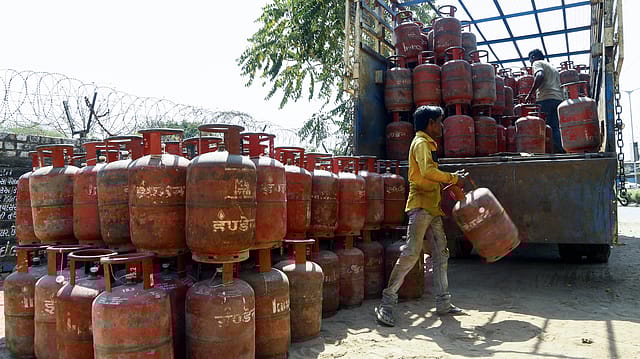
India is staring down one of its worst energy crises in recent memory.
The West Asian war has disrupted LPG shipments reaching Indian shores, sending prices up, supplies down, and millions of households and businesses into a quiet panic.
Here’s everything you need to know.
What is the LPG crisis and where did it come from?
The crisis was set off by escalating military tensions in West Asia, including a combined US-Israel strike on Iran, which prompted Iran to announce the near-closure of the Strait of Hormuz. This narrow waterway handles reportedly close to 85% of India's LPG imports, making it the country's single most critical gas corridor.
Once shipments were disrupted, India - which imports nearly 62% of its annual LPG requirement, approximately 31.3 million tonnes - found itself facing an immediate and severe shortage with almost no buffer to fall back on.
Why doesn’t India just dip into the reserves?
Unlike crude oil, which India stores in underground caverns for up to 60 days of emergency use, LPG and LNG require specialised high-pressure or cryogenic storage that is both technically complex and expensive.

Zeroing In on ECI
09 Oct 2026 - Vol 05 | Issue 41
Constitutional legitimacy versus political opportunism
According to Outlook Business, India currently holds only around 25 to 30 days of LPG stocks and roughly 10 days of LNG. A new storage facility in Mangalore, commissioned in late 2025, added capacity, but it barely scratches the surface of national demand.
How much more are you paying for your cylinder?
As of March 7, 2026, oil marketing companies raised the price of a 14.2-kg domestic LPG cylinder by Rs 60, taking it to Rs 913 in Delhi. Commercial 19-kg cylinders saw an even steeper hike of Rs 114.50, reaching Rs 1,883.
The government continues to offer a Rs 300 subsidy to Pradhan Mantri Ujjwala Yojana beneficiaries, bringing their effective cost to Rs 613 - but even that reduced rate is straining low-income budgets.
What is happening to restaurants across cities?
Reportedly, around 20% of hotels and eateries in Mumbai have already shuttered, and industry voices warn that up to 50 to 60% could follow if supplies are not restored. In Bengaluru and Chennai, popular neighbourhood darshinis have stopped serving gas-heavy items like pooris, vadas, and rava dosas to stretch their remaining fuel.
Iconic establishments like Hyderabad's Shah Ghouse Cafe have reverted to traditional firewood for large-scale cooking, while some Kolkata eateries have switched to coal-fired stoves.
What other issues have risen up?
Mumbai's Mahalaxmi Dhobi Ghat has ground to a halt, with LPG-powered drying machines lying idle and laundry piling up for days. On the streets of Kolkata and Chennai, LPG-run autos have vanished from their usual routes, leaving commuters stranded and travel times shooting up.
How are ordinary households coping with delays and panic?
In cities like Lucknow, the wait time for a booked cylinder has reportedly stretched from 24 hours to five or seven days. LPG bookings in Kolkata alone jumped from 2.5 lakh to 5.8 lakh in just 48 hours, pointing to widespread panic buying.
To prevent hoarding, the government has increased the mandatory gap between consecutive LPG bookings to 25 days - a move that is causing anxiety, especially for larger families.
Additionally, e-commerce platforms have run out of stock for induction cooktops in major cities like Delhi, Bengaluru, and Kolkata.
What is happening in India’s industrial and rural pockets?
The Gujarat government has slashed gas supply to industries by 50% and cut supply to fertiliser and milk processing units by 40% to protect household stocks. Supplies to telecom tower manufacturing have been halted since March 5, 2026, which could delay mobile network expansions. In Pune, the shortage has reportedly forced the temporary closure of gas-based crematoriums.
How is the government responding?
The Centre has invoked the Essential Commodities Act and issued directives through the Ministry of Petroleum and Natural Gas to prioritise domestic PNG, CNG for transport, and LPG production over industrial use. The government's LPG subsidy outgo for FY27 has already crossed Rs 11,000 crore, alongside a Rs 17,500-crore support package for oil marketing companies.
Union Petroleum Minister Hardeep Singh Puri has reportedly stated there is no shortage for domestic consumers and urged people not to panic.
How long could this last?
That depends entirely on the West Asian war. With no signs of de-escalation and the Strait of Hormuz still disrupted, India is scrambling to source LPG from alternative suppliers, including the US Gulf Coast - but higher freight and insurance costs are making every imported molecule more expensive.
Until a diplomatic resolution or a stable alternative supply chain is established, the cylinder shortage is likely to continue squeezing restaurants, households, and the government's fiscal headroom in equal measure.
(With inputs from yMedia)