Iran Conflict Pushes LPG Prices Up: Why India’s Energy Policy Faces Familiar Pressure
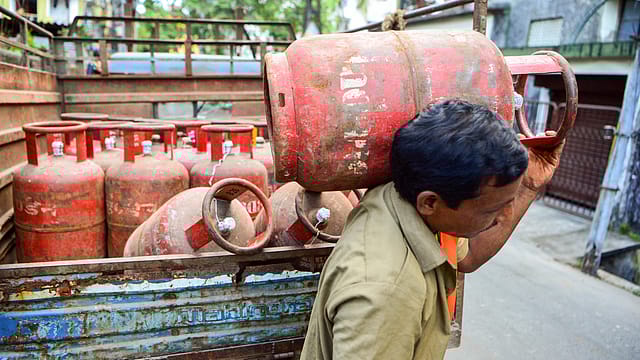
India’s recurring struggles with LPG pricing reveal a delicate balance between fiscal policy and political reality. The latest price pressures, driven by the Iran war and supply disruptions in West Asia, have revived an old pattern where governments soften reforms to shield households from sudden energy shocks.
Here’s a more detailed insight.
Why does LPG pricing trigger political pressure in India?
Cooking gas affects everyday life in urban and rural households alike. India has over 30 crore domestic LPG connections, making price changes immediately visible in household budgets. When prices rise sharply, public pressure builds quickly, forcing governments to weigh fiscal discipline against political consequences.
What happened during the 2012–2013 LPG subsidy crisis?
In September 2012, the UPA government capped subsidised cylinders at six per household annually to control the fiscal deficit amid crude prices above $100 per barrel. Nationwide protests followed. Facing backlash, the government raised the cap to 9 cylinders in 2013 and later restored it to 12 before the 2014 election.

Zeroing In on ECI
09 Oct 2026 - Vol 05 | Issue 41
Constitutional legitimacy versus political opportunism
How did reforms evolve between 2014 and 2016?
The next government shifted strategy from caps to technology-driven targeting. The PAHAL DBT system delivered subsidies directly to consumers' bank accounts. Alongside the “Give It Up” campaign, LPG prices were gradually increased in small monthly increments, though hikes were often paused during politically sensitive periods.
Why did LPG prices become a major issue again in 2023?
Global energy markets tightened after the pandemic and the Russia–Ukraine conflict. Domestic LPG prices crossed ₹1,100 in Delhi. Rising international benchmarks significantly increased import costs for oil companies.
In August 2023, just before the general elections, the government announced a ₹200 price cut to ease inflation pressure.
How is the Iran war affecting LPG supply to India?
The latest crisis stems from escalating conflict in West Asia. Tensions near the Strait of Hormuz have disrupted tanker movements carrying LPG from Gulf suppliers, pushing up global prices and threatening supply chains for major importers such as India.
Following the crisis, Oil Marketing Companies raised the domestic LPG cylinder price in Delhi to ₹913 on March 7, 2026, a ₹60 increase, while commercial cylinders climbed to ₹1,883, according to industry data.
How dependent is India on imported LPG supplies?
India relies heavily on imports to meet domestic LPG demand. Industry estimates suggest roughly 60% of India’s LPG consumption is imported, and about 80-85% those shipments pass through the Strait of Hormuz.
This dependence makes the country highly vulnerable to geopolitical disruptions and shipping delays in West Asian energy corridors.
What emergency steps has the government taken under the Essential Commodities Act?
Facing shortages, the government invoked the Essential Commodities Act to regulate distribution and prevent hoarding. The refill gap for domestic cylinders has been extended from 21 to 25 days, while refineries have been directed to prioritise LPG production over petrochemicals to stabilise domestic supply.
Why are restaurants and businesses facing a severe LPG shortage now?
Commercial users have been deprioritised as authorities focus on household supply. Restaurants in several cities report shrinking cylinder availability, forcing menu reductions and temporary closures. Industry groups warn that prolonged shortages could disrupt thousands of small food businesses.
Is the latest price hike another example of India “buckling”?
The government recently increased LPG prices by around ₹60. Analysts note that global parity would require a hike of nearly ₹134 per cylinder, but the government raised prices by only ₹60, effectively shielding consumers from ₹74 of the real cost, reflecting another cautious retreat from strict market pricing.
What does this pattern mean for India’s energy policy?
India’s LPG pricing history shows a repeating cycle. Governments attempt subsidy reform during periods of fiscal pressure, but often soften policies during crises or elections.
The current shortage linked to the Iran war underscores how geopolitical shocks can quickly reshape domestic energy decisions.
(With inputs from yMedia)