Delhi Power Demand Hits 7,776 MW: Heatwave Triggers Early Peak in 2026
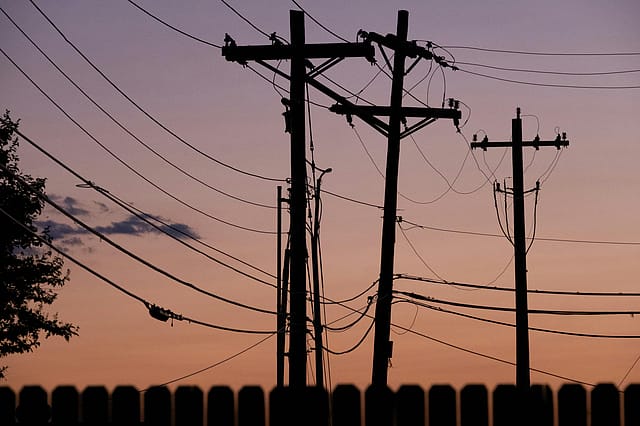
Delhi’s electricity demand has surged to a new high of 7,776 MW at 3:30 PM on May 19, 2026, according to State Load Dispatch Centre (SLDC) data. This comes just a day after demand touched 7,542 MW and later rose to 7,600 MW at night, showing how rapidly consumption is climbing.
The primary driver is the intense heatwave gripping the capital, with temperatures hovering around 43.4°C. As a result, households and businesses are relying heavily on air conditioners, coolers, and refrigeration, pushing electricity usage sharply upward.
What makes 2026 different from previous years?
This year is unusual because demand is peaking earlier than expected. Delhi crossed the 7,000 MW mark as early as April 27, 2026, reaching 7,078 MW — something that typically happened only in May in previous years like 2024 and 2025.
This shift suggests that summers are arriving sooner and lasting longer, fundamentally altering the city’s electricity consumption cycle. Traditionally, peak demand was expected in June or July, but 2026 is already challenging that pattern.
How close is Delhi to its all-time peak?
Delhi’s all-time highest power demand remains 8,656 MW, recorded on June 19, 2024. Last year’s peak stood at 8,442 MW.
With current trends, officials now estimate that demand could cross 9,000 MW in 2026 for the first time. If temperatures remain high, the city could surpass previous records well before the usual peak season.

I.N.D.I.A. Falling
12 Jun 2026 - Vol 04 | Issue 75
The Unravelling of an Alliance
Is Delhi facing power cuts amid rising demand?
So far, there has been no shortage. Power distribution companies have managed to meet demand successfully. BSES discoms alone supplied 3,492 MW and 1,683 MW in their respective areas during peak hours.
However, the margin for error is shrinking. As demand rises faster and earlier than expected, maintaining uninterrupted supply is becoming more challenging.
What role are renewables playing in meeting demand?
Renewable energy is playing an increasingly important role in managing peak loads. Across India, solar power contributed around 57 GW — about 22% of total generation — during a national peak demand of 256.11 GW in April 2026.
In Delhi, around 2,670 MW of green power is being used this summer. This includes 840 MW of solar, 572 MW of hydro, and 500 MW of wind energy, helping ease pressure on conventional sources.
How are power companies preparing for higher demand?
Discoms and grid operators are using multiple strategies to stay ahead of the surge. These include long-term power purchase agreements (PPAs), banking arrangements with other states, and AI-based demand forecasting.
Infrastructure is also being upgraded. Delhi plans to increase its transmission capacity to 24,000 MVA by 2029, compared to a projected peak demand of 11,000 MVA.
What does the national trend reveal?
Delhi is not alone. India’s power demand is rising sharply due to widespread heatwaves. The country recorded a peak demand of 256.11 GW in April 2026, and the power ministry expects this to climb to 271 GW later in the year.
This indicates a broader shift where extreme weather is driving electricity consumption patterns nationwide.
What does this mean for the future?
Delhi’s demand trajectory shows a steady climb: it first crossed 7,000 MW in 2018, reached 8,000 MW in 2023, and set a record in 2024. Now, with 2026 seeing early and rapid spikes, the city could be heading toward its most energy-intensive summer yet.
As heatwaves intensify and arrive earlier, the grid will increasingly rely on a mix of coal, hydropower, and fast-scaling renewables. For now, supply is holding steady — but the system is under growing pressure.
(With inputs from ANI)