Energy security, not climate change, is becoming India's biggest clean energy driver: Mohit Bhargava
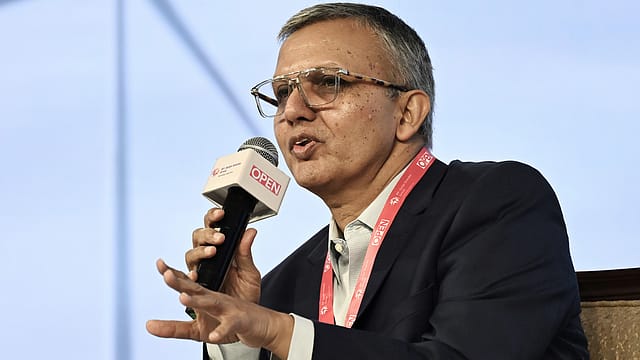
India's clean energy transition is increasingly being shaped by concerns around energy security and economic competitiveness rather than climate commitments alone, according to Mohit Bhargava, country director of the India Energy & Climate Center at UC Berkeley's Goldman School of Public Policy.
Speaking at OPEN Green Shift, Bhargava said India has reached an inflection point where renewable energy, backed by battery storage, has become the country's lowest-cost option for delivering round-the-clock electricity. That shift, he argued, is changing the way policymakers and industry view the energy transition, making it central to India's long-term economic and strategic priorities rather than treating it solely as a climate objective.
Bhargava said recent geopolitical developments have reinforced the importance of reducing dependence on imported fossil fuels and building a more resilient domestic energy system. As electricity demand continues to rise, India has an opportunity to meet a growing share of that demand through renewable energy while improving energy independence and insulating itself from volatile global fuel markets.

The Vanguard
21 Aug 2026 - Vol 05 | Issue 34
BJP Rearmed for 2029
He pointed to research showing that renewable energy combined with storage is now the most cost-effective way of supplying 24x7 power in many parts of the country. The falling cost of clean technologies, he said, has shifted the conversation from whether renewable energy is affordable to how quickly supporting infrastructure can be built to deploy it at scale.
Bhargava also argued that affordable clean electricity could become a catalyst for industrial decarbonisation. Sectors such as textiles, automobiles, ceramics and pharmaceuticals can increasingly electrify their operations using renewable power, while hard-to-abate industries including steel are likely to require emerging technologies such as green hydrogen. Together, these shifts could help India reduce emissions without compromising industrial growth, he said.
Looking ahead, Bhargava said states will play a defining role in determining the pace of India's energy transition. As they compete to attract investment in renewable energy, advanced manufacturing and green industries, states are becoming more proactive in developing supportive policies and strengthening their electricity infrastructure. He added that renewable energy and nuclear power would both remain essential components of India's long-term strategy to achieve energy security while meeting its net-zero ambitions.
For Bhargava, the direction of travel is now clear. India's clean energy transition is no longer simply about meeting emissions targets. It is increasingly about building a more secure, competitive and resilient economy, with affordable clean electricity emerging as a strategic advantage rather than an environmental obligation.