Double parking fees, 50% WFH and no fuel without PUC: Inside Delhi’s new winter pollution rulebook
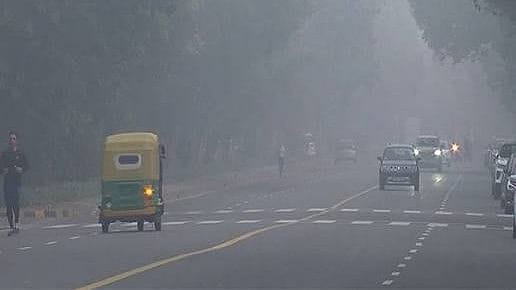
Every year, the script is familiar. As temperatures fall and winds slow down, Delhi's skies begin to turn grey. Air quality worsens, schools brace for disruptions, hospitals report a rise in respiratory illnesses and emergency pollution measures dominate headlines.
This year, however, the Delhi government wants to get ahead of the crisis.
Instead of waiting for pollution levels to spike, the city has announced a permanent winter pollution framework that will automatically come into force every year between November 1 and February 28. The plan includes doubled parking charges, mandatory work-from-home arrangements for a large section of office workers, restrictions on construction activity and tighter checks on polluting vehicles.

Losing Memory
16 Oct 2026 - Vol 05 | Issue 42
The making of a medical and social emergency
So what exactly is changing—and why?
Why is Delhi introducing a permanent winter pollution plan?
Delhi's winter pollution problem is hardly new. For years, authorities have relied on emergency measures such as the Graded Response Action Plan (GRAP), which imposes restrictions only after air quality deteriorates. But critics have long argued that many interventions come too late, after pollution levels have already reached unhealthy or severe levels.
The new framework aims to make several anti-pollution measures automatic rather than reactive. According to the Delhi government's notification, the restrictions will return every winter without waiting for an air-quality emergency declaration.
The idea is simple: if Delhi knows pollution peaks every winter, preventive action should begin before the smog arrives.
Why are parking charges being doubled?
One of the most attention-grabbing measures is the decision to double parking charges during the winter months. The government hopes higher parking costs will discourage the use of private vehicles and encourage people to shift to public transport, carpooling or other alternatives.
Vehicle emissions remain one of the major contributors to Delhi's air pollution burden, particularly when weather conditions trap pollutants close to the ground during winter. Environmental experts have repeatedly identified transport emissions as a significant source of particulate pollution in the capital.
In effect, the higher parking fee is designed not as a revenue measure but as a behavioural nudge.
Why will offices have to adopt work-from-home?
Another major change is the requirement for 50 per cent work-from-home arrangements during the winter pollution period. The framework also includes staggered office timings for different categories of government offices to reduce congestion during peak traffic hours. Reports indicate that government departments and many offices will operate on adjusted schedules between November and February. The reasoning is straightforward. Fewer commuters on the road means fewer vehicle emissions and less traffic congestion during the months when Delhi's atmosphere is least capable of dispersing pollutants.
The work-from-home provision echoes measures that have previously been considered only during severe pollution episodes. This time, it becomes part of the annual winter playbook.
What does ‘No PUC, No Fuel’ actually mean?
Perhaps the strictest measure concerns fuel stations. Under the framework, petrol, diesel and CNG stations will supply fuel only to vehicles carrying a valid Pollution Under Control (PUC) certificate. Verification can be carried out through certificates, vehicle databases and automated systems.
The objective is to ensure that visibly polluting or non-compliant vehicles are not allowed to continue operating unchecked.
Authorities believe this could improve compliance with emission norms and reduce pollution from poorly maintained vehicles.
Why are construction sites facing restrictions again?
Construction dust remains one of Delhi's largest non-vehicular pollution sources. As part of the winter plan, outdoor construction and demolition activities will face restrictions, while stricter dust-control measures will be enforced at project sites. A complete ban on certain construction and demolition activities is expected during the most pollution-prone phase of winter.
The move reflects lessons from previous winters, when dust from construction sites frequently added to already hazardous air conditions.
Will these measures actually improve Delhi's air quality?
That is the question policymakers, environmentalists and residents will all be watching. Delhi's pollution problem has multiple causes, including vehicle emissions, construction dust, industrial activity, waste burning and seasonal factors such as stubble burning in neighbouring states. No single measure can solve the problem on its own.
Supporters argue that introducing restrictions before pollution peaks could reduce the severity of winter smog episodes. Critics, meanwhile, say enforcement will be just as important as the rules themselves.
What happens next?
For Delhi residents, the changes will become visible from November 1. Parking may cost more. Office attendance may look different. Vehicles without valid PUC certificates could face hurdles at fuel stations. Construction activity may slow. And many commuters may find themselves working from home more often.
Whether these measures dramatically improve Delhi's air remains to be seen. But one thing is already clear: after years of fighting winter pollution through emergency responses, Delhi is now betting on a different strategy—treating winter smog not as a surprise, but as a predictable challenge that demands preparation months in advance.
(With inputs from agencies)