Delhi Fire Safety Crisis: Over 500 Deaths in Fire Incidents Since 2019
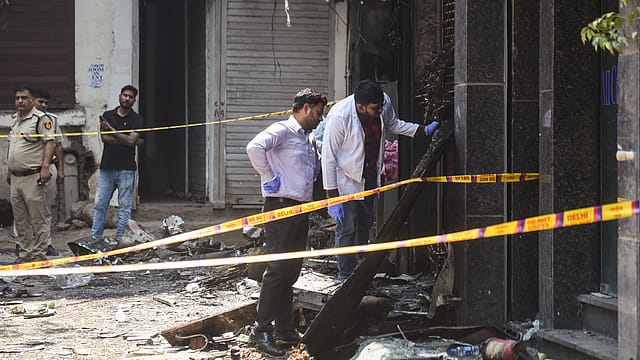
The devastating fire at the Flourish Stays Bed and Breakfast in Malviya Nagar, South Delhi, has once again placed Delhi's fire safety infrastructure under the spotlight. The blaze claimed 21 lives and left 25 others injured, making it one of the deadliest fire tragedies in the national capital in recent years.
Several foreign nationals were reportedly among those killed, adding an international dimension to the tragedy and intensifying calls for stricter enforcement of safety regulations.
Why Has the Malviya Nagar Fire Triggered Fresh Concerns?
The incident has reignited long-standing concerns about fire safety compliance across hotels, guest houses, commercial establishments and residential buildings in Delhi.
Questions are once again being raised about whether building owners are adhering to mandatory fire safety norms and whether authorities are conducting adequate inspections to prevent such disasters.

Greening the Future
23 Jul 2026 - Vol 05 | Issue 30
Securing a sustainable India
What Do Delhi's Fire Fatality Numbers Show?
Data from the Delhi Government and the Delhi Fire Service (DFS) paint a worrying picture.
More than 500 people lost their lives in fire-related incidents between 2019 and March 21, 2026. Thousands more were injured during the same period.
According to DFS records, 95 deaths were reported in 2019-20, followed by 41 deaths in 2020-21, 55 in 2021-22, 95 in 2022-23, 77 in 2023-24, 90 in 2024-25, and 65 deaths in 2025-26 up to March 21.
The highest annual death toll was recorded in 2019-20, largely due to the catastrophic Anaj Mandi fire, which alone claimed 44 lives.
How Many People Have Been Injured in Fire Incidents?
The human cost extends beyond fatalities.
Official records show that at least 4,403 people were injured in fire-related incidents between 2019 and 2025. The figures underscore the widespread impact of such emergencies on residents, workers and visitors across the city.
Are Fire Emergencies Becoming More Frequent?
Data suggest that fire-related emergencies continue to place a growing burden on the Delhi Fire Service.
According to official records, DFS received 17,231 calls in 2019-20. By 2025-26, the number had risen to 20,379 calls.
However, another data table shared by DFS officials presents significantly higher figures. It records 31,157 calls in 2019-20, 25,709 in 2020-21, 27,343 in 2021-22, 31,958 in 2022-23, 26,568 in 2024-25 and 36,101 calls in 2025-26 up to March 21.
While the discrepancy between the two datasets remains unclear, both indicate that fire services continue to respond to a large number of emergencies every year.
What Are Experts Blaming for the Recurring Fires?
Fire safety experts point to several structural and administrative challenges that continue to fuel the problem.
Among the key factors cited are rapid urbanisation and population growth, narrow and congested lanes that delay emergency response, illegal constructions and building code violations, non-compliance with fire safety regulations, and inadequate maintenance of firefighting equipment.
These issues often combine to increase both the likelihood of fires and the difficulty of controlling them once they break out.
What Happens Next?
In the aftermath of the Malviya Nagar tragedy, authorities are expected to intensify inspections of hotels, guest houses, commercial establishments and other high-risk buildings across the city.
The focus is likely to be on identifying safety violations, ensuring compliance with fire regulations and preventing a repeat of incidents that have repeatedly exposed vulnerabilities in Delhi's urban infrastructure.
As investigators continue to probe the causes of the Malviya Nagar fire, the tragedy has once again highlighted the urgent need for stronger enforcement, better preparedness and greater accountability in fire safety management across the capital.
(With inputs from ANI)