The Raw Politics of India’s Power Price Hikes: Who Foots the Bill for Reform?
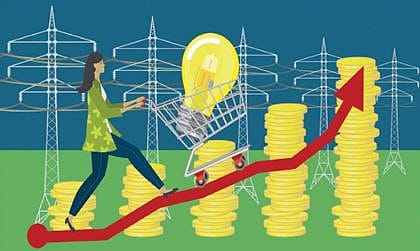
There is more to electricity prices in India than just numbers on a bill. They are places where politics, poverty, and power clash. In the last few months, governments from Punjab to Uttar Pradesh have raised tariffs. At the same time, there has been a rush of prepaid smart meters and calls for "reform" across the country. These attempts to fix a broken system come down to one simple question: why do regular customers have to pay for the mess?
Blame starts with the discoms, the unhappy distribution companies that are in a lot of debt because of bad management, rising coal and grid prices, late government subsidies, and low tariffs to win votes. What did New Delhi do? Programs like UDAY and the Revamped Distribution Sector Scheme (RDSS) push states to make changes to their distribution companies. But the real hammer is higher tariffs, which put the costs of recovery directly on families and businesses.
The reasons are clear: make prices match actual costs, stop losses, and make sure smart billing is used. But there are some rules: states that want RDSS funding must lower cross-subsidies (when businesses pay too much to keep farmers' lights cheap) and use cost-plus pricing. Electricity is no longer a basic right; it is now a strict-pay good. Prepaid meters go even further: no more estimates of how much you'll owe; instead, you'll be able to track your usage in real time and have your service cut off automatically when your credit runs out. For the poor, it's a nightmare: if they run out of money, the power goes out in the middle of a hot summer day, making "access" a cruel tease.

Exclusive: To the Heavens and Back
19 Jun 2026 - Vol 04 | Issue 76
Shubhanshu Shukla relives the space odyssey that put India into orbit
Cross-subsidies are also being phased out, as part of a purposeful move toward industry over housing. Sure, it gives factories a competitive advantage in global marketplaces, but families pay the price with higher bills. Rural people living on irregular wages cut back on fans, refrigerators, and children's study lamps. Saubhagya's major success in electrification? It is now hollow—wires are present, but lights flicker out when affordability bites.
Federalism complicates the situation. States create tariffs yet want central assistance, stuck between popular outrage (tax increases kill elections) and bailout bait. Delay, deny, then spike—classic populism. Protests arise regardless, from Jharkhand unions to Delhi consumer protests, claiming that "efficiency" conceals a wealth shift from the bottom to balance sheets.
It's easy to find the answer, but you have to be brave. Instead of focusing on ways to make money off of customers, deal with discom rot directly by improving procurement, audits, and the public grid. Use lifeline rates (like giving free kWh for basic needs) and targeted subsidies that get to the people who need them to protect the weak. Add rooftop solar co-ops to towns so that they never have to deal with grid failures.
The Cross-Subsidy Shakeup and the Rural Reckoning
The Indian equity firewall, which has been in place since the Electricity Act of 2003, is being taken down on purpose. Industries pay a 20–30% surcharge to keep agricultural tariffs low (usually ₹0–1/unit in Punjab's paddy belt). Phasing them out makes manufacturing more competitive against China's dominance in exports, but households are angry: Last year, Delhi's domestic rates went up by 8 to 10%, which made life harder for people who moved to the city. Rural India has to deal with the most of the problems. Irregular daily pay means that kids have to go without fans, fridges, and LED study lights. Saubhagya's 2020 victory (99% of villages getting electricity) now seems like a loss: connections are there, but 40% of rural households only use less than 50 kWh/month because it's too expensive, according to CEEW polls. Prepaids make the problem worse; there are stories of outages leading to suicides in meter-heavy districts in Gujarat.
Protests and Problems with the Federal Government
Federalism is bad. Electricity's concurrent list status puts the Centre's purse strings against state pricing autonomy. States want bailouts, but they are afraid of angering voters (in 2022, rises derailed Punjab's AAP). What is the pattern then? Hikes before elections, then a big jump after victory: Maharashtra's sneaky 15% rise in 2024 led to MVA rallies. Protests keep happening. Miners in Jharkhand are blocking smart meter vans, and consumer forums in Delhi are suing the government. Private discoms like Adani and Tata Power make money by charging consumers ₹2 lakh crore a year, even though they lose money in other areas.
A Real Plan for Change, Not Just Band-Aids
The answer needs action, not words. Forget about consumer squeezes; fight the decline of discom with competitive coal bidding (which lowers input costs by 15–20%), forensic audits that find theft (India loses 20% of its electricity to non-technical pilferage), and public grid upgrades like underground cabling in flood-prone Bihar. Use lifeline tariffs to help the most vulnerable people by giving them free 100–200 kWh/month for basic needs, as was done in Telangana. Use digital subsidies through DBT to cut down on leaks from 30% to less than 5%. PM Surya Ghar helped create rooftop solar co-ops that could power 10 million rural homes off the grid in a way that is good for the environment and good for people.
India is at an energy tipping point: it needs to be smart about the market without hurting the welfare system. Tariff wars show how big the gap is: should GDP be more important than justice? If it doesn't work, the promise of electrification will be broken, and millions will be stuck in the dark corners of development. Policymakers should choose fairness because history won't forgive half-measures.