The Health and Wellness Issue: Editor's Note
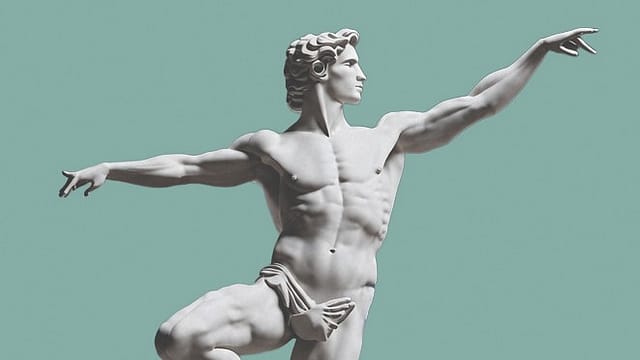
The most audacious dreams about the future always come from the individual, and very rarely from the state. Look who is investing in immortality, which is no longer a poetic invocation but a measure of man’s determination to defy biology. It is not good enough being alive. It is not good enough to live longer. It is about making death optional. The longevity project says more about its promoters and endorsers than about its science: life is too precious to deserve an end we have no control over.
The value of life is going up and up in the marketplace of not merely good health but eternal health. Out of the havoc progress plays on modern lives has come an entirely new industry of anti-ageing. To achieve the ideal, a customary visit to the physician alone won’t work. The body is the new idol—so worship it. That may be why we cannot miss the changing pursuit of perfection: periodic examinations by the most sophisticated machines are matched by an informed intake of supplements; a session at the gym is matched by a meditative pause at home. The speed of road running is tempered by the controlled rhythm of yogic breathing. And every meal is curated by science. The useful prosaicness of health is being complemented by the poetics of wellness.

Zeroing In on ECI
09 Oct 2026 - Vol 05 | Issue 41
Constitutional legitimacy versus political opportunism
The science of body and mind has already made this an exhilarating moment in the evolution of human life. It is not that by idolising the body we have all become Narcissus. What we are witnessing is humans sculpting their better versions. When we worry too much about an ageing population, we tend to forget that life is taking more time to wither away. The quality of life has improved, and that is stating the obvious. The growth of awareness about good health is bigger, and that is making all the difference. Which means knowledge is health.
That knowledge is not rooted in modern science alone. Ayurveda is staging a big comeback, and what marks its revival is not cultural rigidity but adaptability. Some of the most luxurious spas and wellness centres in India have an Ayurvedic identity. It is not an alternative approach to good health, or a counterargument to Western medical science. It is another response with a pronounced cultural quotient to the maladies of mind and body.
That said, good health cannot remain an individual quest of the affluent alone. The longevity experiments funded by the so-called masters of the universe cannot be a true marker of a society committed to good health. The state should be a facilitator as well as a bigger investor. We need to be as vocal about and seen to be as focused on national health as we are on setting ambitious targets for economic growth. That we are serious about a healthier India was evident in the National Health Policy released almost a decade ago, and that the government has not been distracted from the vision is commendable.
The wholesome implementation of universal healthcare needs political will, private sector participation with a social conscience, and a civil society campaign for shared well-being. The individual pursuit of good health cannot be sustained across a country of uneven growth without action and conviction from governments and every stakeholder in a healthier future—and that includes us all.
To achieve what is being called Common Health, there cannot be a separation of obligations. Remedies must be holistic, and ideas must quicken the pulse—and you are certain to find out how in the following pages.