God of the Times: Ganesha epitomises the possibilities of a world in a whirl
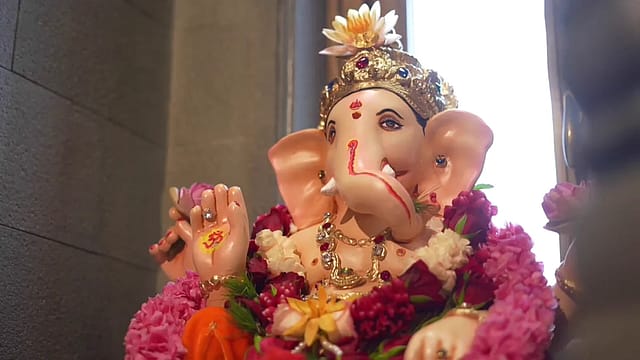
This Ganesh Chaturthi, the monsoon arrived like an overemotional relative—late, loud, and carrying more than anyone had requested. Bombay shone under sheets of rain. Marigolds darkened, drums deepened, streets became streams. In Delhi, meanwhile, leaders gathered for the 18th BRICS Summit beneath another kind of cloud: wars without endings, trade turned into threat, technology sharpened into weapon and diplomacy increasingly dressed as domination.
Donald Trump has taken governance and geopolitics into places that, only a few years ago, might have seemed too crude even for caricature. Tariffs become tantrums; alliances, transactions; human beings, collateral. The world speaks more loudly and listens less. Power pounds the table, then calls the noise policy.
And yet, at a Delhi hotel, Malaysian Prime Minister Anwar Ibrahim sat beside a piano and sang Kishore Kumar: “Khwab ho tum ya koi haqeeqat (Are you a dream, or are you real?)” For a moment, geopolitics found melody. A foreign leader borrowed a Hindi film song to say what communiqués cannot. Perhaps soft power is simply humanity escaping the hard shell of office.
Zeroing In on ECI
09 Oct 2026 - Vol 05 | Issue 41
Constitutional legitimacy versus political opportunism
The coincidence feels almost scripted. As BRICS ended; Ganesh Chaturthi began. After declarations against coercion and for dialogue came the deity of auspicious beginnings. After the language of resilience, cooperation and sustainability came vighnaharta, the remover of obstacles. The elephant god arrived just as the elephant in the room became impossible to ignore: can nations still cooperate when their leaders increasingly confuse strength with cruelty?
Around the summit tables, there was talk of a more representative world order, of the Global South finding voice, of reforming institutions built for another century. These are necessary conversations. But every grand phrase must eventually enter an ordinary kitchen. Cooperation means little if grain grows dearer, conflict empties a child’s plate, or a farmer’s flooded field becomes merely a statistic in a leader’s speech, after the applause.
My answer begins at home.
On a side table beside my mother’s sofa sits a small republic of Ganeshas. Brass, clay, crystal, wood; rotund, reclining, dancing, reading; trunks turned this way and that. She began collecting them before I was eighteen. At eighteen, I joined her. Since then, airports, bazaars, craft shops and friends’ homes have added citizens to this benevolent commonwealth.
But in our family, Ganesha was never an argument. My grandmother made that clear. These are stories, she would tell me—not scientific evidence, not history claiming moral authority. Their power lay elsewhere: in imagination carrying instruction without issuing orders. A boy with an elephant’s head; a god who rides a mouse; a broken tusk becoming a pen. Mythology did not demand that I surrender reason. It invited reason to dance.
That is why Ganesha travels so easily. My mother, sister, brother and I keep small ones ready to give away. We take them to new homes, new offices, marriages, departures. It is better, we feel, to receive a Ganesha than to buy one for oneself. So, they migrate from our shelves into other people’s palms, pockets and bags: portable blessings, no passport required.
Maybe this is what our summits need—not more mythology masquerading as fact, but stories humble enough to admit they are stories, and generous enough to enlarge those who hear them. Ganesha’s enormous ears ask leaders to listen. His tiny vehicle reminds the mighty not to mock the small. His broken tusk makes imperfection useful. His belly holds contradiction without indigestion.
The monsoon will pass. The idols will return to water. Declarations may dissolve faster than clay. But beginnings remain available.
Shri Ganesha is not certainty. He is possibility. And in a world stumbling through its obstacles, possibility itself may be our shubh aarambh.