Valentine’s in India: Romance, Rebellion, and the Business of Love
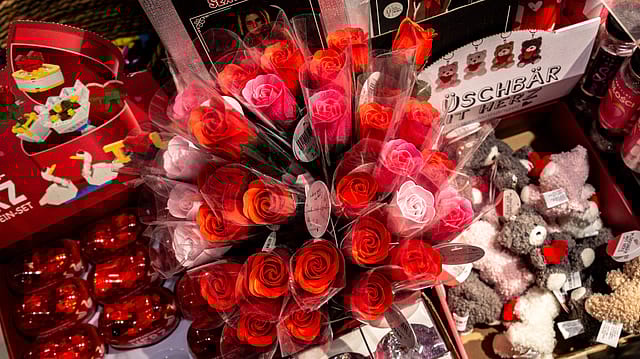
Every February, India doesn’t just celebrate love. It industrialises it. And this is how it does it: Rose Day. Propose Day. Chocolate Day. Teddy Day. It’s a week-long content calendar where romance rolls out like a product launch.
This raises the real question: is Valentine’s Day overused by brands in India?
Yes, to a large extent. And that’s precisely why it works.
Valentine’s is the marketing equivalent of a guaranteed box office weekend. Predictable demand means predictable gifting spikes, which in turn leads to predictable Instagram captions and predictable commerce. Flowers, dining, chocolates, jewellery, quick commerce carts…the economy hums on schedule.

Zeroing In on ECI
09 Oct 2026 - Vol 05 | Issue 41
Constitutional legitimacy versus political opportunism
But here’s the problem. Everything looks the same. Every year, too many brands paste a pink filter over their logo and call it strategy. When ‘love’ becomes wallpaper, the campaigns blur, the hearts multiply and the meaning thins. And here’s what brands forget: in India, love isn’t one emotion. It’s a joint family, and here are the members: Romance, friendship, duty, aspiration, rebellion, comfort, validation and the naughtiest one--FOMO. Flatten that into a heart-shaped product and audiences feel the automation.
That’s why the brands still winning Valentine’s are doing one of two things: They go deeper or they swerve.
The ‘Embrace It’ Players
Cadbury Dairy Milk Silk remains the grandmaster of romantic permission. If Valentine’s had a default setting, it would be Silk. The brand doesn’t just sell chocolate; it sells the courage to express. Its 2026 “Say It With Silk” iteration updates romance for the AI era — less filmy proposal, more “how
do we stay human in an automated world?” It works because it evolves the emotion without abandoning it.
Mia by Tanishq takes another route: soften the spectacle. Its “Bee My Valentine, Every Day” campaign reframes love as daily micro-moments, not dramatic gestures. In a market where overt public romance can feel performative, this subtlety lands. Romance, minus the cringe.
The ‘Swerve It’ Brands
Some brands don’t avoid Valentine’s. They weaponise it. Cadbury 5 Star built an entire anti-Valentine identity by validating those who find the day exhausting. For years, it trolled the pressure. Doing nothing became the point. In 2026, it reportedly twists the narrative again — because when you own the anti-lane, you can play with reconciliation too.
The nuance? Even rebellion uses the calendar.
Then there’s the new shift: Valentine’s is no longer just about couples. Quick-commerce platforms lean into “Singles Mode.” Not pity. Wit. Agency. Snacks delivered in ten minutes. Self-love monetised in real time. Urban India is also embracing Galentine’s Day — friendship as primary, not consolation. Events, themed menus, community celebrations. Brands like Galaxy widen the frame beyond couples.
This is the mutation: From roses to grocery lists, candlelight dinners to group chats, and romance-first to realism-first.
The brands that will still matter aren’t the loudest ones shouting “LOVE!” They’re the ones who used February 14 to say something precise about who they are. Because the real competition isn’t between Valentine’s brands and non-Valentine’s brands. It’s between brands that build meaning and brands that borrow a moment.
If your campaign only works because the calendar says so, it’s filler. If it reveals something true about your customer such as how they love, what they perform, and what they avoid, then Valentine’s isn’t overused. It’s just underthought. And the sharper question isn’t ‘Should we do Valentine’s?’ It’s: Which love are we talking about exactly?
(The writer is professor of marketing at SP Jain Institute of Management & Research. The views expressed are personal)