Drop Box: India Post’s saving schemes are a reliable anchor
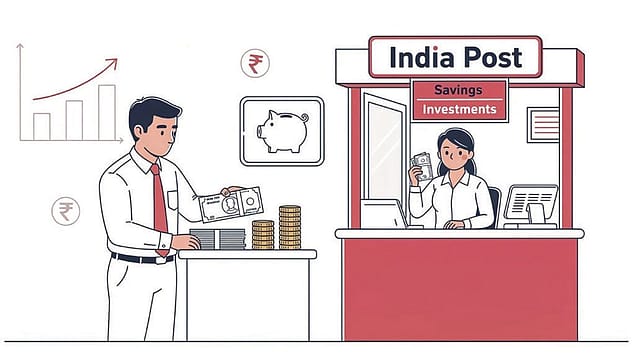
IN AN ERA DOMINATED by flashy fintech apps and high-yield mutual funds, India Post’s savings schemes stand as a beacon of simplicity and trust. With over 1.55 lakh branches spanning remote villages to bustling cities, these government-backed instruments channel grassroots savings into the national economy. Accounts may be opened at any post office, with some services available through the India Post Payments Bank. But amid evolving financial landscapes, how effective are they in 2026?
Postal savings schemes excel in financial inclusion, particularly for rural and low-income households. They cater to specific needs, including retirement planning (SCSS), children’s education/marriage (SSA), and guaranteed income (POMIS). Unlike banks concentrated in urban hubs, post offices blanket India, making schemes like the Post Office Savings Account (POSA) and Sukanya Samriddhi Yojana (SSY) accessible to millions. Studies highlight high awareness for time deposits and recurring deposits, driven by personal referrals over ads. Net receipts surged from `17,145 crore in 2017-18 to peaks above `31,000 crore, underscoring their role in mobilising small savings.
Yet, growth varies. SSY accounts boomed with 173 per cent compound growth rate through 2022, while others lagged, especially in states like Punjab (just 4 per cent of national accounts). Core banking integration has boosted efficiency, but urban investors often overlook them for digital alternatives.
Backed by sovereign guarantee, these schemes offer fixed returns—6.6 per cent for Monthly Income Scheme (POMIS)—outpacing many bank FDs amid inflation. Tax perks under Section 80C (for example, National Savings Certificate) attract conservative savers, fostering thrift. They stabilise the economy by funding government programmes like MGNREGA.
However, challenges persist. Lower yields than equities erode real returns, and liquidity constraints deter millennials. Awareness gaps for niche products like Kisan Vikas Patra hinder potential.

War on Iran: The War That No One Won
10 Apr 2026 - Vol 04 | Issue 66
And the price of surviving it
Postal schemes remain effective for risk-averse savers, amassing trillions in corpus. To thrive, India Post must amplify digital outreach and tweak rates. For India’s 1.4 billion, they embody enduring reliability over hype.