QUICK TAKE | Central Banks Bought 321 Tonnes of Gold. Here Are Seven Things to Know
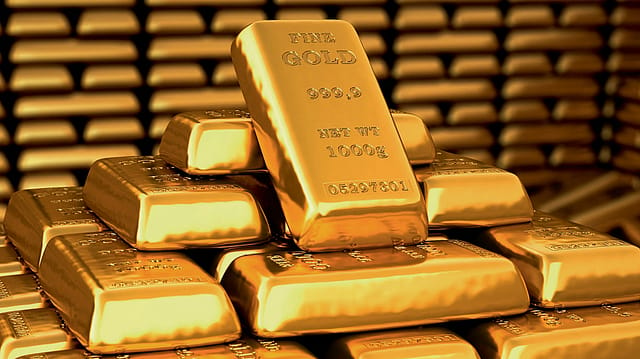
1. How much gold did central banks buy?
Central banks and other official institutions made estimated net purchases of 321 tonnes in July–September 2026, up 42% from a year earlier. Their January–September total reached 675 tonnes, up 6%, according to the World Gold Council. That exceeded the five-year quarterly average of 227 tonnes.
2. Why buy when gold remains expensive?
Central banks manage national reserves, giving them different priorities from jewellery shoppers. The WGC identifies diversification and risk management as the main drivers. Prices easing from their early-year peak may have helped, but buying at historically high levels suggests these purchases serve longer-term reserve strategies.
3. Which countries led the buying?
Among disclosed purchases, China added 63 tonnes and Poland 40 tonnes during Q3. Together, they accounted for roughly 86% of reported net buying. Kazakhstan and Uzbekistan each added 14 tonnes. Russia moved the other way, reporting a 19-tonne reduction in Q3.
4. Are all 321 tonnes publicly accounted for?
No. Reported net purchases totalled 120 tonnes; the larger headline includes estimated unreported activity, accounting for around 63% of demand. Reporting delays and non-disclosure explain the gap. Country rankings describe the disclosed portion; later information can prompt revisions.

The Era of Forever Wars
30 Oct 2026 - Vol 05 | Issue 44
Coping with an explosive Middle East
5. Is the Reserve Bank of India buying too?
Barely. RBI purchases totalled just 0.3 tonnes in the first nine months, compared with four tonnes a year earlier, the WGC says. Holdings remained around 880.5 tonnes at September-end. Strong collective demand does not mean every reserve manager is accumulating.
6. Why are jewellery buyers pulling back?
High prices constrain what households can afford. Global jewellery consumption fell 17% to 313 tonnes, the weakest third quarter in the WGC’s series. Yet spending rose 2% to $43 billion. In India, jewellery volumes fell 20% to about 100 tonnes, while rupee spending increased 16%.
7. Does central-bank buying guarantee higher prices?
No. It supplies demand, but gold also responds to investor flows, currencies and interest rates. The Q3 international benchmark averaged $4,262 an ounce, up 23% annually but down 5% from Q2. Central-bank buying strengthened even as the quarterly average price eased, showing why this demand alone cannot determine prices.