EXPLAINED | How Did Hello Kitty Get Caught in a China–Japan Spy-Drama Row?
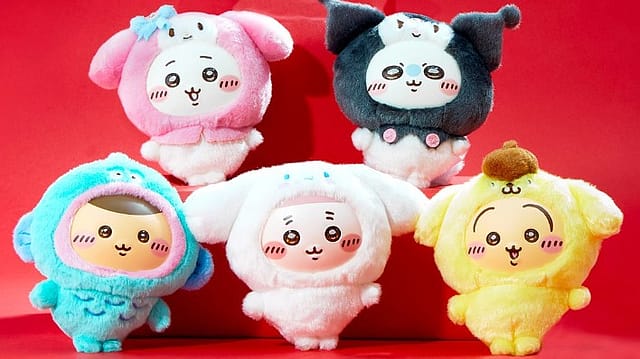
What has Hello Kitty got to do with spies?
Hello Kitty changed her outfit. The partnership behind it drew her into a diplomatic dispute.
Sanrio characters, including Hello Kitty and My Melody, appeared in merchandise dressed as characters from Vivant, a Japanese espionage drama. As criticism of the programme intensified in China, the merchandise became a target too.
On October 28, Sanrio’s Chinese subsidiary apologised and announced that it would terminate the collaboration, along with subsequent projects and promotional activities. It said the associated content conflicted with the group’s corporate philosophy.
The episode raises a question that extends beyond one collection of toys: when a brand lends its characters to a programme, how much of that programme’s meaning does it inherit?

Look Who's Talking Regime Change
23 Oct 2026 - Vol 05 | Issue 43
WHAT IS VIVANT, AND WHY HAS IT ANGERED PEOPLE IN CHINA?
Produced by Japanese broadcaster TBS, Vivant is a spy thriller involving Japanese operatives and international intrigue.
The controversy concerns scenes depicting a fictional Chinese intelligence organisation torturing Japanese spies. Chinese state media have argued that the methods shown resemble atrocities committed by Japanese forces during their invasion of China. They accuse the programme of transferring that historical brutality onto Chinese characters.
That is the critics’ interpretation of the drama, rather than an agreed account of its intentions.
Their objection also reaches beyond the presence of violent scenes. It concerns who is portrayed as inflicting violence, who suffers it and what those choices suggest about a real country.
A fictional intelligence organisation can still carry recognisable national associations.
WHAT DOES TBS SAY?
The broadcaster rejects the suggestion that it intends to disparage another country.
At an October 28 press conference, TBS president Masamine Ryuho acknowledged complaints about hostility towards a particular country and excessive violence. He said the company did not seek to encourage confrontation between nations or endorse violence.
Japanese reporting also quoted him saying that the treatment of scenes causing distress or excessive fear remained something the broadcaster should examine.
There are, therefore, two separate positions. Critics argue that the portrayal carries a harmful political message. TBS disputes that intention.
Sanrio’s withdrawal does not resolve that disagreement. It establishes that the character company no longer wants its merchandise attached to the programme.
WHY DID THE BACKLASH SPREAD TO SANRIO?
Because a collaboration creates a visible association.
A television partnership lets a character brand reach a programme’s audience. Fans get recognisable figures in costumes connected to a story they enjoy. The programme gains another way to sustain attention and sell merchandise.
But the association works in both directions.
When audiences object to the story, the participating brand can be asked why it helped promote it. Saying that it supplied character designs rather than wrote the script may offer little reassurance to an angry customer.
In Sanrio’s case, Chinese social-media criticism was amplified by state-media condemnation. Reuters reports that anger over the toys had circulated for days before intensifying this week.
The merchandise gave critics a direct commercial connection to challenge.
WHY IS THIS PARTICULARLY AWKWARD FOR HELLO KITTY?
Sanrio has built its identity around friendship and connection.
Its president’s corporate message describes the company’s philosophy as Minna Nakayoku, translated as “Getting Along Together”. It links that purpose to its characters, stores and global licensing business.
That positioning gives customers a reason to feel attached to the brand. It also creates a standard against which collaborations can be judged.
A partnership associated with national hostility can sit uncomfortably beside a promise of harmony, even when the character itself says nothing political.
Our reading is that Sanrio’s response tries to address precisely that vulnerability. By invoking its philosophy, the company frames withdrawal as a decision about the kind of association its characters should carry.
That explanation does not establish what its original approval process considered or overlooked.
HOW MUCH DOES CHINA MATTER TO THE BUSINESS?
Enough that the implications extend beyond sales of one merchandise range.
Sanrio’s business includes licensing: allowing partners to use its characters on approved products and experiences. Its official business-opportunities page lists licensing contacts across international territories, including China.
In such a model, the character’s appeal supports many commercial relationships. Damage to that appeal could concern partners selling products unrelated to the original controversy.
However, a backlash is not a measured financial loss. The material reviewed does not establish the value of cancelled merchandise, the cost of withdrawal or a resulting decline in Sanrio’s wider sales.
Social-media attention can create commercial pressure without revealing its eventual size.
WHERE DO CHINA–JAPAN RELATIONS FIT IN?
The controversy has unfolded during a prolonged deterioration in relations.
The latest diplomatic rupture followed Prime Minister Sanae Takaichi’s November 2025 remarks that a hypothetical Chinese attack on Taiwan could constitute a situation threatening Japan’s survival, potentially opening the way for a Japanese military response.
Beijing demanded a retraction. Travel warnings, disrupted cultural exchanges and economic friction followed.
That background helps explain why a television portrayal can receive unusually intense scrutiny. Wartime history and present-day security arguments are already politically charged.
It does not prove that every critical viewer is acting at official direction. Nor does state-media criticism, by itself, establish a government order requiring Sanrio to cancel the partnership.
Public anger, media campaigning and corporate decisions need to be examined separately.
WHAT CAN INDIAN BRANDS AND STARTUPS LEARN FROM THIS?
The lesson is relevant to any company using entertainment partnerships, celebrity endorsements or licensed characters to reach new customers.
A collaboration connects audiences as well as logos. Its meaning can change across countries, languages and political circumstances.
For an Indian brand expanding internationally, checking a partner’s popularity is only part of the task. The surrounding content, historical references and likely interpretation in other markets also matter.
The same applies at home when brands work with films, influencers or public figures whose wider statements can become part of the association.
This is a practical commercial lesson rather than evidence that every sensitive collaboration will fail. The question is whether the company understands what it is attaching its name to.
WHAT HAPPENS NEXT?
Sanrio has promised stronger review mechanisms for future collaborations. Its immediate challenge is implementing the termination and explaining its scope.
Ending a partnership does not necessarily remove every previously sold item or second-hand listing. Those outcomes should not be assumed without further information.
The broader test is whether the company can reassure customers while making its approval process more consistent with its stated values.
Hello Kitty’s appeal travels across borders. This episode shows how quickly the meaning of something she wears can travel with her.