Diet Coke Is Vanishing From Shelves: Here Are Your Best Alternatives
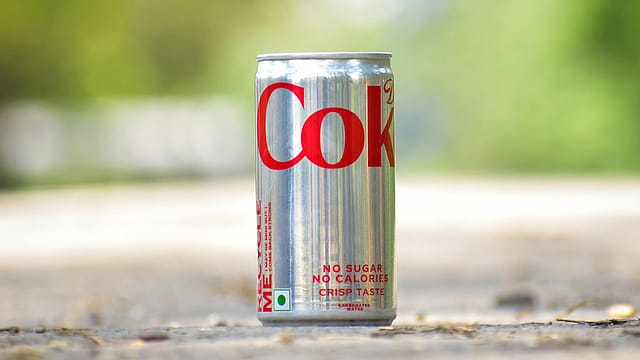
India's Diet Coke drinkers are hitting a wall. Reportedly driven by an acute aluminium can shortage and tightening global supply chains, Diet Coke has become increasingly difficult to find across major Indian cities as of April 2026. For a demographic that has built daily rituals around the zero-calorie cola, the crunch is real. The good news: the alternatives are better than most expect.
The Shortage Is Real, and It’s Spreading Fast
The Diet Coke shortage is most acute in Mumbai, Bengaluru, Pune, and parts of Delhi-NCR. The disruption is attributed to a combination of a global aluminium can deficit, rising raw material costs, and reportedly stricter new certification standards for aluminium can production that have slowed domestic supply.
What makes it worse is timing. Demand for sugar-free beverages in India has reportedly doubled in recent years, meaning even a moderate supply disruption hits consumers disproportionately hard.
Why Cans and Not Bottles
The shortage is specific to canned Diet Coke. PET bottle variants of other zero-sugar colas remain more widely available, which is why the switchover to alternatives is more practical than it might first appear.
Coca-Cola Zero Sugar
For those unwilling to stray from the Coca-Cola universe, Coca-Cola Zero Sugar is the most direct like-for-like substitute. It uses a different sweetener blend than Diet Coke, giving it a flavour profile closer to regular Coke, but it is zero-calorie and widely stocked in PET bottles across Indian retail.

Open Minds 2026
26 Jun 2026 - Vol 05 | Issue 26
The power of ideas and arguments in 50 portraits
Pepsi Black
Pepsi Black holds its ground as the strongest cross-brand alternative. Zero sugar, zero calories, and available consistently in both cans and bottles, it has already seen a noticeable uptick in shelf movement as diet coke alternatives go.
Sprite Zero and Limca Sportz
Consumers willing to move beyond cola entirely are finding Sprite Zero and Limca Sportz to be reliable options. Both are zero-sugar, carbonated, and citrus-forward, making them particularly suited to warmer months.
Schweppes Soda Water
Schweppes Soda Water is gaining traction among urban, health-conscious consumers looking for a diet coke alternative with no sweeteners at all. Paired with a squeeze of lime or a few drops of bitters, it replicates the sensory experience of a fizzy, cold drink without any artificial additives.
Sparkling Water With Lime
Sparkling water with fresh lime is the most cost-effective and nutritionally clean substitute on this list. It is zero-calorie, widely available, and surprisingly satisfying as a replacement habit, particularly for those who drink Diet Coke for the carbonation rather than the cola flavour.
Unsweetened Iced Tea
Freshly brewed iced tea, sweetened with stevia if needed, is the most sustainable long-term pivot. It is lower in acidity than carbonated options, customisable, and free of the artificial sweeteners that some consumers are increasingly wary of.
What the Shortage Is Actually Accelerating
The Diet Coke shortage is functioning, unintentionally, as a forced trial of alternatives that many consumers would never have considered otherwise. Several of these options, particularly sparkling water and Pepsi Black, have strong retention rates once adopted.
The diet coke shortage may ultimately prove to be a structural inflection point for India's zero-sugar beverage market, broadening consumer loyalty beyond a single SKU.
(With inputs from yMedia)