Love Thy Stranger: What Brands Really Gain from Pop-Culture Tie-Ins
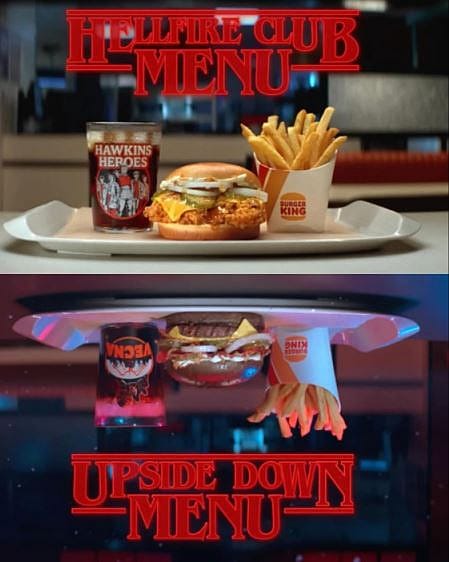
In Hawkins, Indiana, the Starcourt Mall is bustling with teenagers buying slushies, chatting about supernatural mysteries, and lining up for burgers. In the real world, marketers were lining up too, trying to catch a slice of the Stranger Things phenomenon. From Burger King’s Upside Down Whopper to Nike’s Hawkins High sneakers, the series has offered brands a playground for engagement—but riding the wave isn’t as simple as it looks.
Needless to say, Stranger Things has created a cultural moment few shows can match. Estimates cited by Pubity suggest the series has contributed roughly $1.4 billion to the US economy since its debut in 2016. That number reflects production spending, tourism, music royalties, and brand spillovers, an unusually wide arc of influence for any television show. For Netflix, as per IMDb, the show has generated over $1 billion in streaming revenue and reshaped how the platform approaches franchises, games, live experiences, and consumer products.
The Modi Years
02 Oct 2026 - Vol 05 | Issue 40
A Nation Rebuilt
That cultural weight hasn’t gone unnoticed by marketers. While Netflix commands the spotlight, brands have been experimenting with tie-ins, integrations, and campaigns to tap into the show’s buzz. But succeeding in this space requires more than visibility.
Platforms Own the Cultural Moment
Brands can benefit from the frenzy, but the long-term value largely stays with the platform. “Netflix sets the cultural agenda, controls the IP, distribution, and ultimately owns the audience experience,” Neilesh Talreja, founder and CEO of UCID Advertising, points out. That means while brands ride the wave, they are rarely in control of it. Even Coca-Cola’s reintroduction of New Coke with Stranger Things’ nostalgic energy was more about leveraging the show’s emotional architecture than building a lasting cultural footprint of its own.
Nike and KFC have seen short-term spikes in visibility and sales. “This value doesn’t automatically translate into long-term equity unless the brand can turn that cultural juice into something uniquely its own,” Talreja notes. In other words, Netflix gets the long-term fandom, the extended reach, and increasingly, diversified monetisation. Brands get attention—but it comes on the platform’s cultural terms.
Entertainment tie-ins don’t always come with neat attribution metrics. “If you only buy culture when it’s measurable, you’re already too late,” Talreja says. He adds that the bravest CMOs embrace the uncertainty, recognising that attention itself is the currency today. Nielsen research and category studies repeatedly show that smart entertainment tie-ins can boost perceived relevance and brand buzz more than traditional sponsorships, especially among younger demographics.
Shweta Powar, founder and CEO of Aria Communications, emphasises the importance of narrative alignment. For her, branding ROI isn’t just about direct sales. “Creating IPs is about building a strong narrative that aligns with the brand strategy. Upper- and lower-funnel metrics feed a single story, creating recall and engagement,” she explains. The aim is to be part of the conversation, not to track every click.
Integration Over Overt Placement
Burger King’s Season 3 tie-in illustrates how contextual integration can work. The brand wasn’t highlighted in a single plot moment. Instead, it became part of the mall culture, anchored in the show’s Starcourt Mall era. Off-screen campaigns like the Upside Down Whopper extended that narrative into the real world, creating social conversation and fan engagement without disrupting the story.
For instace, Gatorade took a slightly different approach, associating itself with endurance, energy, and youthfulness—values reflected in the show’s characters and storyline. “It’s about emotional association, not just screen time, allowing the brand to benefit from cultural relevance while reinforcing messaging in off-platform campaigns,” Powar notes.
For experts, the key is subtlety. Tie-ins should feel like part of the narrative, not a sales pitch. When done right, audiences remember the brand; when forced, it fades into the background.
Scaling the Stranger Things Model
Not every show can match Stranger Things’ scale. Talreja explains that tier-one cultural juggernauts like Stranger Things, Squid Games, or the MCU are rare. Attempting to replicate the model indiscriminately risks dilution and loss of credibility. Instead, brands can consider tiers: tier two includes smaller, passionate fandoms like Wednesday or Cobra Kai, where alignment with audience voice is key; tier three involves microcultures such as anime or gaming communities, smaller in reach but highly engaged.
“Scale isn’t about throwing money at every show. It’s about fit. Does the IP genuinely connect with your brand identity and audience? If yes, go deep. If not, stay out,” Powar sayd. She further adds that multi-channel storytelling is essential. Communication verticals, narrative, and off-platform activations all contribute to recall and engagement, she explains. Without that reinforcement, the cultural impact risks being fleeting.
Stranger Things demonstrates that attention is valuable, but translating it into long-term brand equity takes planning. Talreja notes that the show’s tie-ins generate conversation, memes, and shared experiences—cultural impact that doesn’t always appear in sales reports. The goal is to turn that attention into a recognisable brand voice.
Powar stresses subtlety. “Smart integration creates recall, emotional connection, and reaches global audiences efficiently. Loud, forced placements get ignored,” she says. Whether it’s Burger King’s contextual alignment or Gatorade’s thematic tie-in, the lesson is the same: the brand must respect the story while finding its own place in it.
For marketers, the challenge is balancing visibility with credibility. Platforms like Netflix control the cultural moment, but brands that fit seamlessly into the narrative can ride the wave to build engagement and resonance. Done right, tie-ins offer a chance to join conversations, connect with audiences emotionally, and reinforce brand values without being intrusive.
Stranger Things has shown that the power of cultural relevance lies in timing, alignment, and subtle storytelling. Brands that succeed in entertainment tie-ins understand that it’s not just about visibility, but about how they fit into the cultural moment. As Talreja summarises, “The platform gets the long-term cultural ownership. Brands get visibility, buzz, and short-term spikes—but the real win is in how naturally the brand fits into the story.”
Building on this, Powar points out that attention alone isn’t enough—lasting engagement comes from campaigns that are multi-layered, thoughtfully integrated, and consistent across platforms. For brands navigating the world of entertainment tie-ins, the message is clear: attention is currency, subtlety is key, and audience fit is everything.