Likes, Lies & Responsibility: Why Influencer Power Demands Accountability
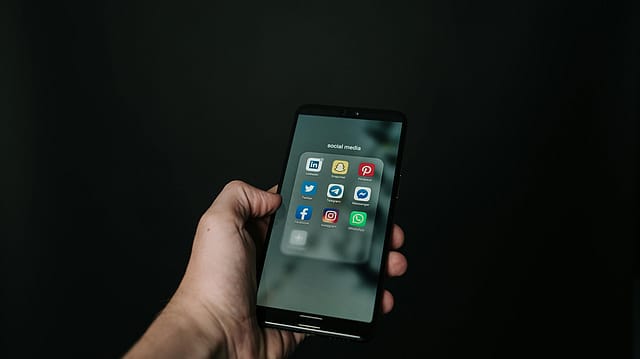
Somewhere between scrolling and shopping, influencers slipped into our everyday lives and stayed. What began as a space for self-expression and community has hardened into a powerful commercial ecosystem, one that shapes opinions, lifestyles, and everyday choices.
The question is no longer whether influencers matter. It’s how their power has evolved, and what that evolution demands of them.
Influence today isn’t transactional. It’s cultural. Influencers no longer operate as simple bridges between brands and consumers. Their content travels further—into how people think about beauty, aspiration, consumption, even self-worth. That expansion comes with weight. Influence isn’t neutral. It shapes what we trust, what we buy, and increasingly, what we believe.

Losing Memory
16 Oct 2026 - Vol 05 | Issue 42
The making of a medical and social emergency
For years, success in this economy was easy to quantify: likes, views, follower counts. Visibility was mistaken for credibility. But that equation is breaking down.
Audiences are catching on. They know engagement can be engineered. They know numbers can be inflated. And so, the metric that matters now is harder to fake: trust. People are paying closer attention: Does a recommendation feel informed or scripted? Does the content align with the values being claimed? Are disclosures clear, or conveniently buried? The audience is no longer passive. It questions, it cross-checks, it calls out. And that shift changes everything.
Then comes the next layer: virtual influencers. AI-generated personas offer brands control, consistency, and creative freedom. But they also blur the line between authenticity and fabrication. Who is accountable when a digital entity makes a misleading claim? What does endorsement even mean when the endorser isn’t human? The problem deepens when this artificiality isn’t made explicit. When audiences can’t tell whether influence is real or manufactured, trust erodes—quietly, but quickly.
Transparency is no longer optional. It’s foundational. Still, placing the burden solely on influencers misses the larger picture. This ecosystem doesn’t run on individuals alone. Platforms decide what gets amplified. Their algorithms reward certain behaviours—virality over veracity, outrage over nuance. If credibility and user well-being aren’t part of what gets incentivised, the system will continue to favour noise over substance.
Brands, too, play a decisive role. Chasing short-term visibility through viral campaigns often comes at the cost of long-term trust. In a digital environment that is increasingly sceptical, even small ethical lapses—unclear disclosures, exaggerated claims—can spiral into reputational damage.
Influence today is a shared responsibility. Between influencers, brands, platforms, and regulators, the rules are being rewritten in real time. And the winners in this new landscape won’t be those who grab attention the fastest. They’ll be the ones who hold it—with credibility. Attention is easy to win but trust takes longer. And once lost, it doesn’t scroll back.
(The views expressed are personal. Devanshi Mehra is a research scholar at IIFT, New Delhi. Ashish Gupta is a senior associate professor at South Asian University (SAU), New Delhi.)