Crisis Hour Answered Through Innovation: Indian Restaurants Fight with Resilience
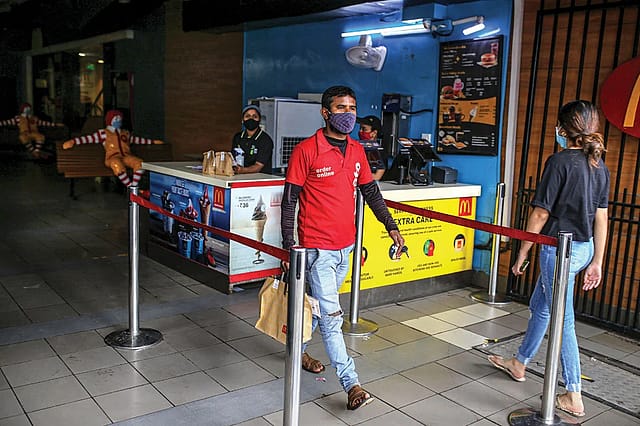
India’s restaurant industry employs more than 7.5 million people, plays an important role in the country’s urban economy, entrepreneurship ecosystem and consumer culture. Over the past decade, the sector has shown remarkable resilience and adaptability, embracing digital platforms, delivery led consumption and evolving customer expectations. Yet today, restaurants across the country are navigating a far more complex operating environment than ever before. For consumers ordering through a food delivery app, the experience remains simple and seamless. A meal arrives at the tap of a button, often within minutes. But behind that convenience lies an increasingly layered cost structure that restaurants are working hard to manage quietly and responsibly. One of the most immediate pressures has come from commercial LPG availability and pricing. With domestic supply understandably prioritised during periods of volatility, commercial allocations have reduced significantly in recent months. For an industry where the majority of kitchens rely heavily on LPG, this has created operational strain across formats, particularly for small and independent restaurants.
Across several cities, restaurants have responded pragmatically by streamlining menus, adjusting operating hours and focusing on more efficient kitchen operations. These are not dramatic disruptions, but thoughtful recalibrations aimed at maintaining continuity while managing the rising costs. At the same time, the economics of food delivery continue to evolve. Delivery platforms have undoubtedly transformed the restaurant business by expanding reach, creating new demand occasions and enabling smaller brands to access a much wider customer base. They have become an integral part of India’s food ecosystem. However, as the ecosystem matures, restaurants are also adapting to a growing combination of platform commissions, packaging costs, logistics fees and visibility spends. Individually, each of these elements serves a functional purpose. Collectively, they have made margin management increasingly challenging, especially at a time when input costs across fuel, ingredients and labour remain elevated. As a result, many restaurants are becoming more selective and strategic in how they operate across channels. Some are prioritising specific delivery windows, simplifying menus or focusing on formats that offer better operational efficiency. These decisions are less about contraction and more about building long-term sustainability in a highly competitive environment.

Losing Memory
16 Oct 2026 - Vol 05 | Issue 42
The making of a medical and social emergency
The broader conversation here is not about resisting change or questioning the value of technology-led convenience. India’s restaurant industry has embraced innovation wholeheartedly and continues to do so. The focus instead is on ensuring that growth remains balanced and sustainable for every stakeholder within the ecosystem, especially independent operators and neighbourhood restaurants that contribute significantly to culinary diversity and employment generation. This is also why discussions around platform economics, commercial energy supply and regulatory participation have become increasingly important for the sector. Restaurants are not seeking protectionism; they are seeking a more collaborative framework that allows all participants in the value chain to grow responsibly together. What is ultimately at stake is the diversity and vibrancy of India’s food culture itself. The wide range of regional cuisines, local favourites and entrepreneurial food brands available to consumers today exists because thousands of restaurant operators continue to invest, innovate and persevere despite mounting pressures. The industry remains optimistic about India’s long-term consumption story. Dining out and food delivery both will continue to grow as part of the country’s evolving lifestyle economy. But sustaining that growth will require a careful balance between affordability for consumers, innovation from platforms and reimaging kitchen for restaurants. For instance, a newer generation of food delivery platforms like Ownly is already experimenting with simpler, more transparent structures, reducing layers between what the customer pays and what the restaurant receives.
Because in the end, a healthy restaurant ecosystem benefits everyone from customers and delivery partners to entrepreneurs, employees and the broader economy.
(Sagar Daryani is President, National Restaurant Association of India)