Fedora Files: Thomas Pynchon’s new novel turns noir into a warning
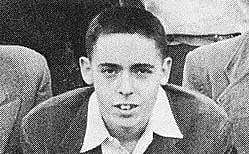
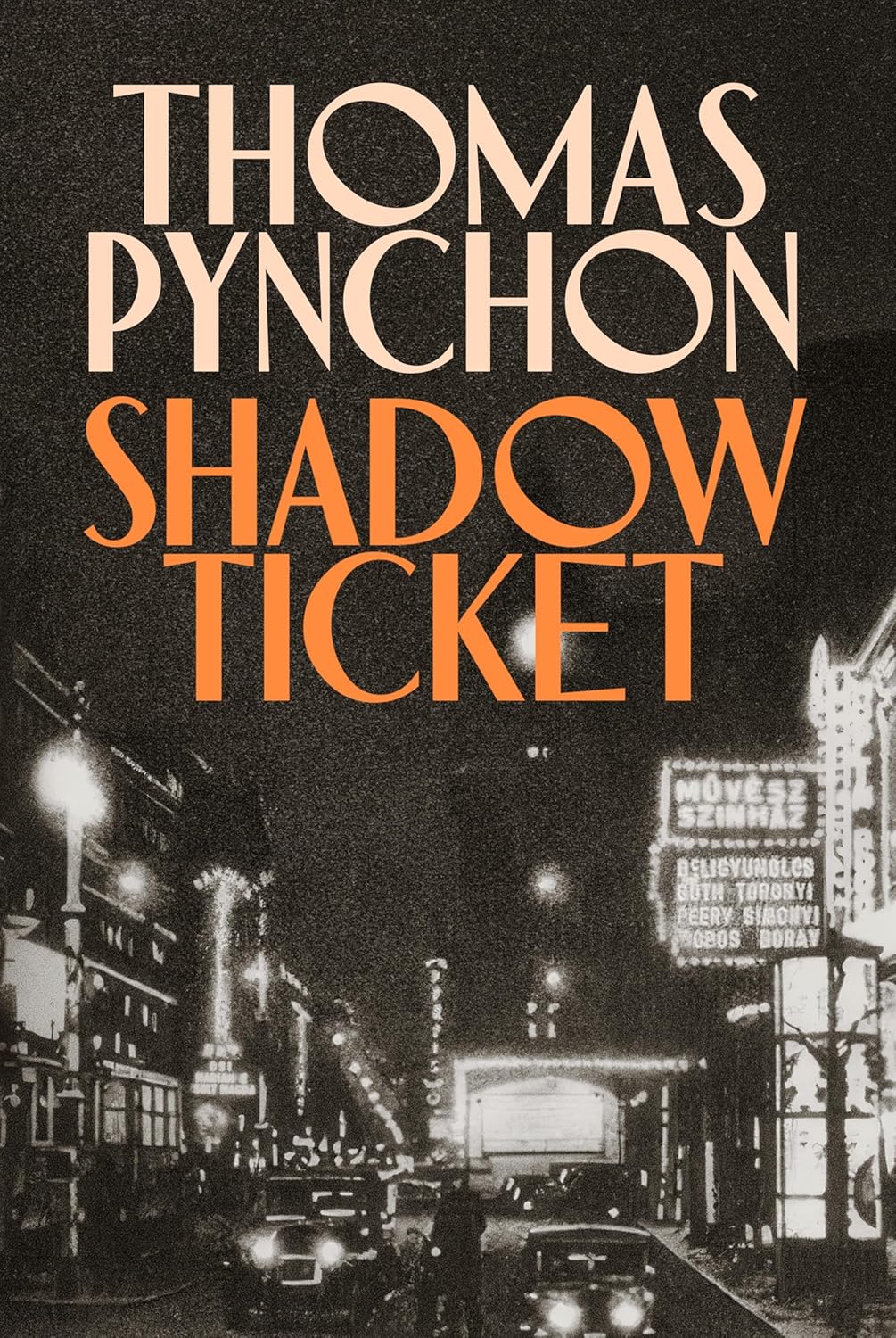
The Dashiell Hammett-like opening sentence of Shadow Ticket, the reclusive American writer Thomas Pynchon’s first novel in 12 years, immediately locates the book as a work of noir pastiche: “When trouble comes to town, it usually takes the North Shore Line.” Beginning in Prohibition-era Milwaukee (1932, to be precise), the novel follows private detective Hicks McTaggart in his search for the missing Daphne Airmont, heiress to one of the country’s biggest cheese empires. Aided by the usual Pynchonian line-up of eccentric, colourfully-named sidekicks, including a psychic secretary, an exiled mafioso boss and a motor-mouth foreign correspondent, McTaggart finds himself face-to-face with a full-blown, globetrotting Nazi conspiracy that takes aim at the heart of American democracy.
As always with Pynchon, however, labyrinthine plots are seldom the beating heart of the book, no matter how entertaining they might be. As a novelist he has always been obsessed with capturing the ‘blind spots’ of US history and popular culture, convenient mythologies and straight-up hypocrisies that service a kind of neo-imperialism. McTaggart, like Doc Sportello in his earlier novel Inherent Vice (2009), is a dopey private eye who has clearly been written as an everyman for his era. McTaggart embodies 1930s, post-Depression Americana as thoroughly as Sportello was representative of 1970s Los Angeles counterculture. Whenever McTaggart is deep in conversation with one of his many informers across the country (and later, Europe), there is so much going on beneath the surface. For example, when he meets fellow detective Lew Basnight (one of the main characters of Pynchon’s 2006 novel Against the Day), the latter launches into a “bloviating diatribe in the style of W.C. Fields”, a stunning passage that anticipates the arrival of the surveillance state, predicting the demise of private eyes like the duo.

Zeroing In on ECI
09 Oct 2026 - Vol 05 | Issue 41
Constitutional legitimacy versus political opportunism
“You wanna know why there’s suddenly all these private coppers around, is it’s Prohibition. Created so much disrespect for city police, state and federal law, that we now have this rush of customers more than ready to turn to private-sector stiffs like us before they’ll trust the Milwaukee PD, despite which it’s dumb, overfed coppers who are destined to inherit earthly power, you can bet the rent on that, the private eyes and post-collegiate dilettantes of today will be long scattered, lost, slid back down into the inventory of uncounted jobless (…)”
As the novel hurtles from one zany, inimitable exchange to another, the connections begin to reveal themselves in an orderly fashion. The history of swing music, the theatrical release of the Bela Lugosi Dracula (1931), a renegade biker gang with Hungarian-Croatian tattoos—Pynchon brings these disparate strands together to create a compelling parable for the rise of fascism in ‘polite society’. One of his primary strengths is being a formidable comedian-of-culture, using the snappy register of popular advertising and music from the 1930s to keep the action grounded and era-appropriate. And yet, these touches are always in the service of a larger point, never presented merely as amusing distractions. In his masterpiece Mason and Dixon (1997), Pynchon delivered philosophical lessons via the finer points of map-making. Here, we get a crash course in the American economy through the workings of an average mom-and-pop dairy farm. It’s probably not among his top five passages, but it comes pretty close.
In 2009, literary critic Harold Bloom named Pynchon as one of the four major American novelists of his lifetime, alongside Philip Roth, Cormac McCarthy and Don DeLillo. Of Pynchon’s three fellow titans, only DeLillo is active today. And as compelling as DeLillo’s writing remains at a line-by-line level, his late-career novels like Point K and The Silence are self-consciously ‘small’, eschewing the scale and ambition of signature works like Underworld. Therefore, it was doubly satisfying to see the 88-year-old Pynchon sticking to his madcap maximalist ways in Shadow Ticket, a novel whose wisecracking edifice never blunts its polemic edge. And if this is indeed his final bow as a novelist, it is a rollicking send-off.