Book Review: Travels In the Other Place
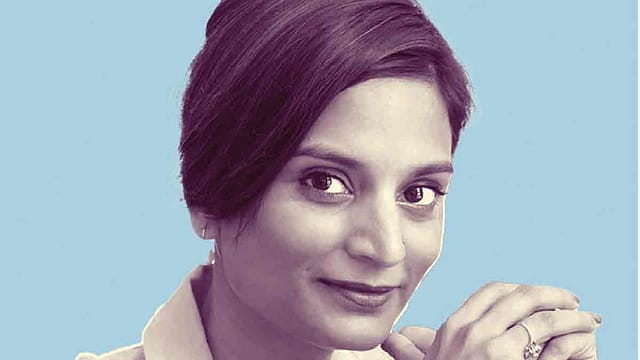
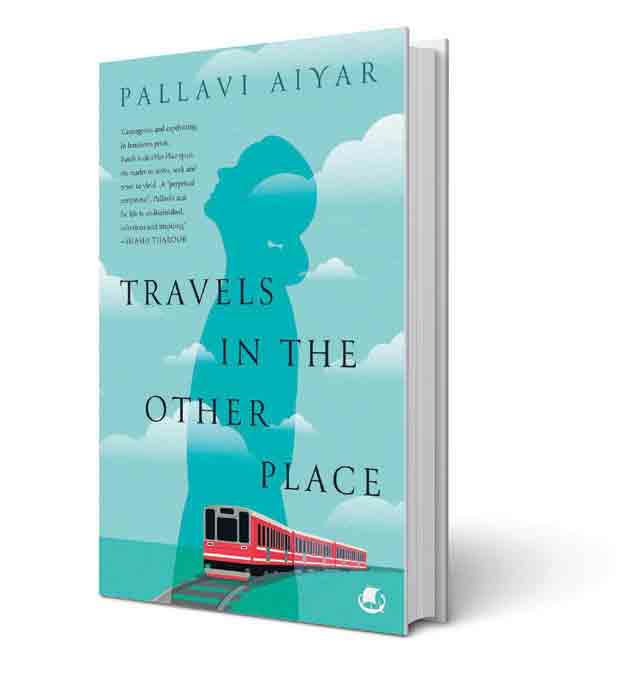
THE SEVENTH CHAPTER in Travels in the Other Place, ‘Hair’, begins with author Pallavi Aiyar in 1984, nine years old, discovering her Sikh classmate’s shorn hair. In situating an account of Sikhs in the aftermath of Indira Gandhi’s assassination ahead of her own stories of youthful perming debacles, of losing hair to chemotherapy, of the politics woven into wigs, Aiyar follows the unexpected route her latest book takes from its very first pages— turning the notion of travel on its head.
A foreign correspondent for several years who has lived in eight countries across three continents, the author cites French essayist Michel de Montaigne’s inspiration for Travels in the Other Place which posits that “every destination is enjoyable if appreciated for what it is, rather than disparaged for what it is not”. Part of this argument unfolds in the survey of places: China, with its “remarkably efficient” services that contradict complaints about infrastructure and locals who turn out to be “frank and funny” once you share their language. Or Brussels where the aroma of coffee and waffles in the air and beautiful art-nouveau architecture coexist with the possibility of stolen bags and unavailability of plumbers.
But, for the most part, this is a book about journeying into the self—through language and education, through books and journalism, through grief and disease. Aiyar stitches together history and memory, current events and intimate conversations into stories. If ‘Books’ maps the road from Aiyar’s early years as a reader, filled with Enid Blyton and JRR Tolkien, to inculcating the same passion in her children (no small feat considering the allure of screen over paper), ‘Pedagogy’ narrates her experience of tiger mothering and letting go as her children move across schools in countries where education is a world away from India both in their means and ends.

India's Action Hero
27 Mar 2026 - Vol 04 | Issue 64
Riding the Dhurandhar Wave
‘Passportism’ explores the challenges of travelling on a weak Indian passport, the convoluted, opaque processes of visa application and the recurring anxiety of being detained at immigration in unfamiliar countries—forms of othering that “passport Brahmins remain blithely unaware of”. And yet, against reason and despite being married to a Spaniard (blessed with a strong passport), Aiyar clings to her Indian passport—for pride and nostalgia as much as the sense of inherent multiplicity. In a chapter following the days after the death of her mother, the Doordarshan news presenter Geetanjali Aiyar, the author’s grief becomes akin to “travel through the bleakest part of mid-winter”.
Aiyar pins multiple pitstops and landmarks across each of these geographies, sprinkling them with observations, self-reflection and wit. She discovers “method to the chaos of names” and grapples with the complex web of language and identity that stretches from India and China to Belgium. The rough terrain of cancer gets its own navigation guide, with Oncolis as language and writing as much a means of healing for the author as radiation. As a foreign correspondent, she sees places with eyes—or an astigmatism—that her peers from other countries do not. Travels in the Other Place is no sightseeing listicle, barring a delightful inventory of Spanish delights, including lunches and storks on steeples. It is a balm in a world where travel has become cultural currency that populates our social media feeds and thickens the binder of bragging rights. In Aiyar’s imagination, travel becomes an ideal—a metaphor for living and belonging, a way to empathise with oneself and with the world.