Becoming Queen: Chapal Rani on jatra, impersonating women on stage, playing goddess and living with pride
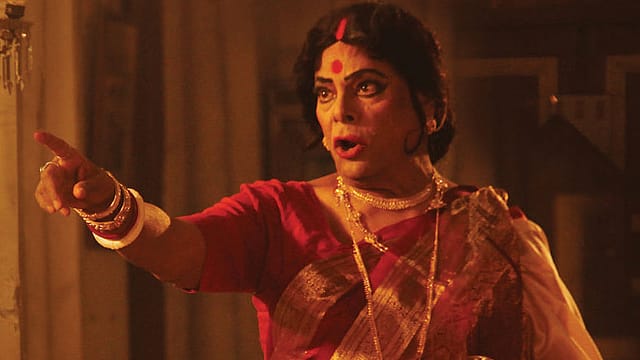
SOME YEARS AFTER a forced retirement from the jatra, Chapal Bhaduri aka Chapal Rani takes on a new role. Reeling from a lack of livelihood, the actor decides to play Sitala, the goddess of small pox. The pay is a pittance compared to what he made as a jatra star, green rooms are non-existent, and, as the actor says, “There’s no way to disguise the hard truth. Sitala troupes beg for money.” Yet, as he performs in show after show, a deity made flesh and blood to believers, Chapal Rani feels a transformation, wearing the goddess’ garb and the divine eye on his forehead— just as he once did when he dressed up as women characters in jatra.
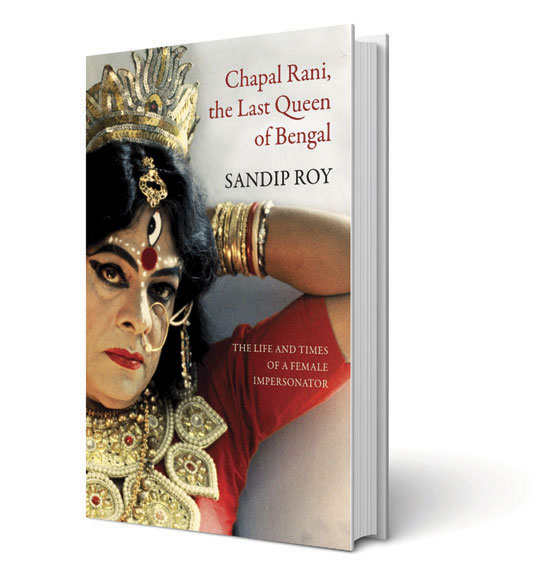
Eventually, it is this goddess avatar that opens new doors for Chapal Rani, including new roles in telefilms, cinema and theatre. After a chance meeting, writer-publisher and theatre practitioner Naveen Kishore also documents his life in exhibition and film. Their longstanding relationship has now culminated in Chapal Rani, the Last Queen of Bengal by Sandip Roy and published by Seagull Books (founded by Kishore). A biography and memoir punctuated with imagined interludes, the book is part of The Pride List, a series of queer literature from the publishing house. Chapal Rani is a fitting addition in the list, possibly one of India’s first openly gay actors and the last living female impersonator of the jatra tradition.

Losing Memory
16 Oct 2026 - Vol 05 | Issue 42
The making of a medical and social emergency
“Jatra, like queerness, always existed on the fringes of respectability in Bengal,” writes Roy. The theatre form may have entranced rural populations far more than movies, but “the culturati found jatra embarrassing, tacky and over-the-top.” One of the most well-known aspects of jatra is its tradition of having men play the roles of women—Chapal Rani followed a long line of actors and became one of jatra’s foremost stage queens.
Acting was Chapal’s destiny, growing up in a family of film and theatre practitioners—his mother, Prabha Devi, and sister Ketaki, were both actresses. Moving from amateur theatre to jatra, playing a woman came naturally to him as he relished the process of transformation and the adulation that came with playing his role well. Not just an account of its protagonist, Chapal Rani, the Last Queen of Bengal also narrates stories of a vanishing theatre tradition. Chapal recalls the details of putting together a jatra show— from the storytelling and acting to the costumes and makeup. In this world, he finds mentors and friends and made enemies and rivals.
But Chapal was swimming against the tides. The production of jatra was changing, including the arrival of women. The book inherently understands the tension between the loss of roles for men and the women who reclaimed the roles that had always been theirs. Gender and sexuality lie at the heart of this story not only because Chapal is a female impersonator but also because Chapal has no qualms about his homosexuality or his long relationship with a married man—he hides only the man’s identity, calling him X, but never his own feelings.
Chapal also stands apart from the LGBTQ+ community that made him an icon. Outside the stage, he does not dress in women’s clothes. In one interlude, an imagined drag performer in Canada— which Chapal visited, his first international trip—is almost disappointed to find that Chapal Rani is not the drag queen he hoped to meet. Playing a woman is a profession , not his identity. So, “where do you fit Chapal Rani in queer theory where we are always talking about the intersection of identity, gender and sexuality?”
It is not an easy answer, and it is the most radical aspect of being Chapal Rani—to live with pride and resilience as one chooses, not as per anyone else’s expectations. It may bring poverty and humiliation, obsolescence and heartbreak. But as Chapal, who is now 86 and living in an old-age home in Kolkata, says, it is a life of no regrets.