The magic of Navaratri Golu: Gods, heirlooms and tiny railway stations
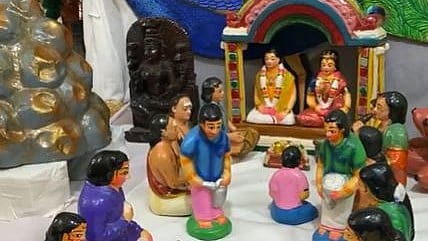
A familiar doll emerges from a storage box, its painted face unchanged after decades. Nearby, a miniature railway station takes shape, a village market is arranged and other scenes from everyday life find their place on the steps. As Navaratri approaches, these pieces turn homes into storytelling spaces where the past meets the present.
Known as Bommai Golu or Kolu in Tamil, Bommala Koluvu in Telugu and Bombe Habba in Kannada, Navaratri Golu is the tradition of displaying dolls and figurines on tiered steps during the festival. The arrangements often combine deities and mythological characters with handcrafted figures and scenes from contemporary life.
The family heirlooms that return every Navaratri

Zeroing In on ECI
09 Oct 2026 - Vol 05 | Issue 41
Constitutional legitimacy versus political opportunism
For many families, the most treasured dolls are those brought out year after year. Passed down by mothers and grandmothers, they carry memories of earlier celebrations and the people who first brought them home.
Traditional marapachi bommai, wooden dolls often presented as a pair, are among the pieces associated with this heritage. In some communities, they are gifted to brides as they begin a new household, linking the dolls to family life beyond the festival.
Each year, families can add new pieces without retiring the old ones. The result is a collection that grows alongside them, preserving personal histories while introducing younger generations to the tradition.
From gods to railway stations, Golu turns everyday life into miniature art
Beyond the deities and scenes from Hindu epics, Golu displays can feature miniature markets, classrooms, weddings, village life and familiar occupations. Some families also draw inspiration from cinema, popular culture and contemporary events.
A railway station or vegetable market, for instance, can sit alongside mythological figures, turning the steps into a miniature portrait of the world outside. These scenes give families room to express their creativity and offer children an engaging way to explore stories, places and professions.
More than a display of dolls
Golu is also a social and devotional gathering. Families may sing devotional songs and invite friends, relatives and neighbours to view their displays. Guests are often served sundal, while some households exchange thamboolam, which may include betel leaves, turmeric and flowers. The tradition also sustains artisans who create painted clay figurines, carved wooden dolls and other handcrafted pieces.
Whether a display centres on mythology, family heirlooms or contemporary scenes, its appeal lies in the freedom to tell a different story each year. When Navaratri ends, the dolls are packed away: ready to return with the next festival, carrying old memories and making room for new ones.
(With inputs from ANI)