Why Venezuela Is Dismantling Its Nationalist Oil Model
For nearly two decades, Venezuela’s oil was sacred, nationalised, tightly controlled, and politically untouchable. This week, that doctrine was quietly dismantled.
Venezuela’s National Assembly has approved sweeping reforms to the country’s oil laws, handing foreign energy companies unprecedented operational control and rolling back the nationalist framework that defined Chavismo since 2007. The move marks one of the most dramatic reversals in the history of the world’s largest proven oil reserves.
Under the new legislation, overseas firms can directly operate production projects, sharply reducing the role of state-run Petroleos de Venezuela (PDVSA). Taxes and royalties, once among the industry’s heaviest, can now be lowered. Disputes can be settled through international arbitration, bypassing Venezuelan courts that investors have long distrusted.
PDVSA will remain state-owned. But in practice, the centre of gravity has shifted.
The timing is no coincidence. The reforms follow the US military’s capture of Nicolas Maduro and the installation of Vice President Delcy Rodríguez as Venezuela’s new leader. Since taking charge, Rodríguez has moved swiftly to reopen the oil sector, particularly to US companies, amid intense pressure from Washington.
Within hours of the law’s passage, the Trump administration responded by easing sanctions on Venezuela’s oil industry. Restrictions on transporting, exporting, storing and purchasing Venezuelan crude are now expected to loosen, giving foreign firms both legal cover and commercial incentive to return.

The Abandoned Kejriwal
01 May 2026 - Vol 04 | Issue 69
Brain drain from AAP leaves Arvind Kejriwal politically isolated
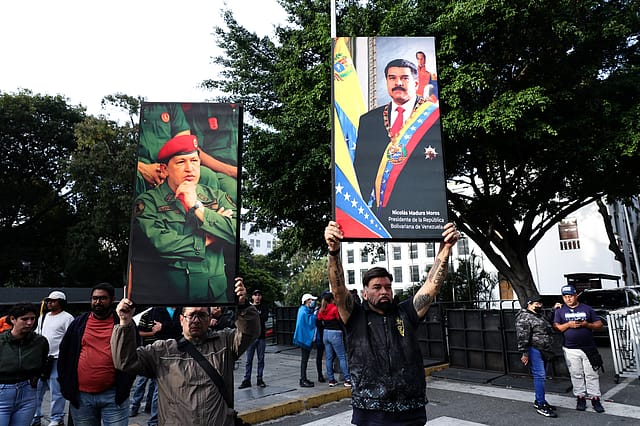
The changes effectively undo the 2007 nationalisation that forced major US oil companies to flee Venezuela despite its vast reserves. That policy had been a cornerstone of Hugo Chávez’s ideological project, and a symbol of economic sovereignty.
Critics say the cost of this reversal is enormous. Former energy minister Rafael Ramírez warned that the reforms “wipe out nearly 70 years of national achievements” and dismantle Venezuela’s nationalist oil ideology in a single stroke.
Supporters argue the alternative is collapse.
Years of sanctions, mismanagement, decaying infrastructure and capital flight have crippled production and gutted state revenues. For a country still overwhelmingly dependent on oil, reviving output is less a choice than a necessity.
Yet doubts linger. Venezuela’s history of abrupt policy swings has made investors wary. Legal stability remains uncertain. And while the reforms may deliver a short-term economic lift, their durability, and political legitimacy, remain open questions.
On Thursday, the government staged rallies across Caracas to signal public support and reassure potential investors. The message was clear: Venezuela is open for business again.
Whether the world believes it may determine the country’s economic future.
(With inputs from ANI)