Who are Yemen’s Houthis? Rebel Group Launches Second Strike on Israel Amid Widening Conflict
Yemen’s Houthi movement on Sunday announced a "second military operation" targeting Israel, marking a significant escalation in the ongoing West Asia conflict.
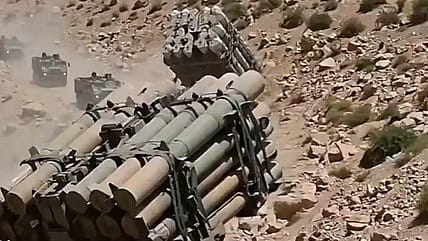
The group said it launched a barrage of cruise missiles and drones against what it described as "vital and military sites" in southern occupied Palestine.
In its statement, the Houthis vowed that their operations "will continue until the declared objectives are achieved" and until what they termed "aggression against all fronts of the resistance ceases".
Any direct involvement by the Houthis, who are heavily armed and capable of striking Gulf neighbours, could disrupt maritime navigation around the Arabian Peninsula at a time when global trade is already reeling from the near-total closure of the Strait of Hormuz.

The Health and Wellness Issue
25 Sep 2026 - Vol 05 | Issue 39
Who are Yemen’s Houthis and how did they rise to power after the Arab Spring?
The Houthis are a military, political and religious movement led by the Houthi family and based in northern Yemen.
They follow the Zaydi sect of Shi'ite Islam. The group has a history of fighting guerrilla wars with the Yemeni army and expanded its power while building closer ties with Iran after the 2011 Arab Spring protests.
Amid instability, the Houthis captured the Yemeni capital Sanaa in 2014. A year later, Saudi Arabia led a coalition of Arab states in a military intervention aimed at dislodging the group.
Over time, the Houthis demonstrated significant missile and drone capabilities, including attacks on oil installations and critical infrastructure in Saudi Arabia and the United Arab Emirates.
Years of conflict led to one of the world’s worst humanitarian crises before a United Nations brokered truce was reached in 2022 between the warring sides in Yemen. The truce has since held.
Meanwhile, Pakistan said on Saturday it was working to "create a conducive environment" for peace negotiations between the United States and Iran, positioning itself as a potential mediator.
With the war entering its second month, the United States and Israel have continued strikes against Iran despite threats of retaliation from Tehran.
The United States has also deployed additional forces to the region, with the USS Tripoli joining the existing strike group along with 3,500 US Marines and sailors.
Reports indicate that the Trump administration is considering the deployment of an additional 10,000 troops, including at least 5,000 Marines and thousands of paratroopers from the 82nd Airborne.
The conflict has had a sharp impact on global energy markets. Brent crude prices have risen by more than 50 percent since the war began and continue to climb, with Iranian threats keeping most oil tankers anchored.
Analysts have warned that markets may be underestimating the scale of the crisis. A Bloomberg report cited estimates of a 40 percent probability for a worst-case scenario in which a prolonged conflict through the second quarter could push oil prices into historically high territory.
(With inputs from ANI)