Why Tibet Remains Closed to Foreigners Despite Global Pressure
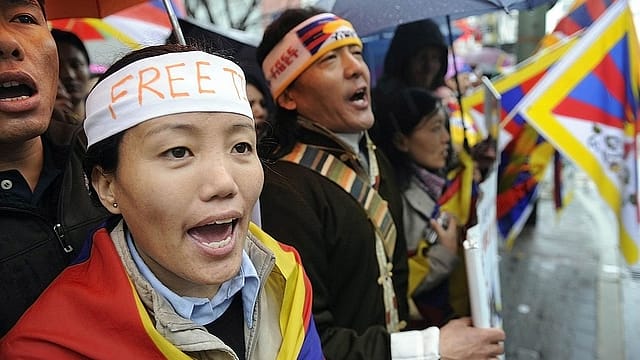
A recent report by the United States State Department’s Bureau of East Asian and Pacific Affairs highlights that Tibet continues to be one of the most tightly controlled regions in China for foreign access. According to the findings, the Tibet Autonomous Region (TAR) “remains the only territory in the People's Republic of China (PRC) where foreign visitors, including diplomats, journalists, researchers, and tourists, face extraordinary access restrictions requiring special permits in addition to Chinese visas.”
This makes Tibet unique within China, where most other provinces are accessible with standard visas.
Why are special permits required to visit Tibet?
Unlike other parts of China, visiting Tibet involves a layered approval system. Foreign travellers must secure permits issued by regional authorities, often arranged through state-approved travel agencies. These agencies typically require visitors to follow fixed itineraries and travel with designated guides.

The Health and Wellness Issue
25 Sep 2026 - Vol 05 | Issue 39
The restrictions are not new. Since 1989, foreign travellers have needed official confirmation letters, and access is frequently curtailed during politically sensitive periods such as the anniversary of the 1959 Tibetan Uprising and the Dalai Lama’s birthday.
Are restrictions the same for everyone?
The report suggests that access conditions vary significantly depending on who you are. It notes that restrictions are “even harsher for overseas Tibetans, particularly Tibetan Americans,” who face heightened scrutiny when applying to visit.
These applicants may need additional clearances, including approval from Chinese authorities, embassy interviews, and detailed personal documentation. Even after gaining entry, they reportedly face questioning, surveillance, and pressure to install monitoring applications on their devices.
What challenges do diplomats and officials face?
Even foreign diplomats encounter barriers. The report points out that Tibet is “the only area in China where foreigners, including diplomats, must formally request permission to visit.”
While there was a small shift in 2025—when US Embassy officials were allowed a five-day visit to the region, their first since 2019—the report cautions that “one visit does not amount to full restoration of access.” The visit included meetings with officials and tours of select sites, but it was tightly controlled.
How are journalists affected by these restrictions?
Journalists remain among the most restricted groups. The report cites the Foreign Correspondents’ Club of China (FCCC), which said Chinese authorities rejected nearly all requests by US journalists to report from Tibet.
It further notes that “93 per cent of correspondents attempting to report from Tibetan regions faced major obstacles.” Even outside the TAR, journalists reportedly encounter surveillance, intimidation, and physical obstruction while trying to report.
What happens in Tibetan areas outside the TAR?
Restrictions are not confined to the Tibet Autonomous Region alone. Tibetan-populated areas in other provinces also see heavy monitoring. According to the report, foreign visitors in these regions face “surveillance, harassment, and intimidation” by security forces.
This broader control limits independent observation of cultural, political, and social conditions across Tibetan regions.
What is the Reciprocal Access to Tibet Act?
The findings are part of an annual report mandated by the Reciprocal Access to Tibet Act of 2018. This US law calls for equal access for American officials and citizens to Tibetan areas and allows sanctions against Chinese officials responsible for restricting entry.
It aims to pressure China into allowing greater transparency and international presence in the region.
What are the broader implications of these restrictions?
The report concludes that, despite some minor improvements like the 2025 consular visit, overall conditions have not significantly changed. It states that China’s policies continue to obstruct “transparency, independent reporting, and genuine international engagement with the region.”
In essence, Tibet remains largely closed off to the outside world, with tightly managed access that limits what visitors can see and report.
(With inputs from ANI)