When the World Banned Cars on Sundays Back in 1973: Could It Happen Again?
In the autumn of 1973, a geopolitical rupture halfway across the world emptied Europe's highways.
Arab oil-producing nations cut off supply to the West, and governments scrambled for solutions.
One response was radical: ban private cars entirely, one day a week. Five decades on, as energy insecurity resurfaces globally, that forgotten experiment is drawing fresh attention.
What Triggered the Original Car-Free Sundays?
In October 1973, Arab members of OPEC imposed a sweeping oil embargo on Western nations.
According to The Conversation, oil prices quadrupled almost overnight, triggering acute fuel shortages across Europe.
The Netherlands bore the sharpest blow, reportedly becoming the only Western European country to face a complete oil embargo from the Organisation of Arab Petroleum Exporting Countries.
What Did Car-Free Sundays Actually Look Like?
Starting November 4, 1973, the Dutch government banned all private motorised vehicles from public roads every Sunday.
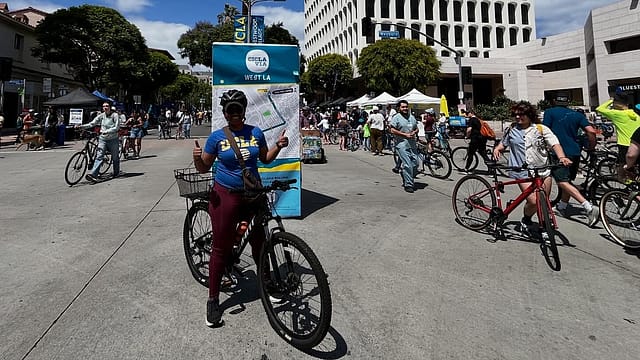
West Germany and Switzerland followed with similar restrictions. Motorways that typically carried thousands of cars reportedly became open corridors for cyclists, walkers, and roller-skaters.
Families reportedly held picnics on empty highways.
Who Ordered the Ban and How Was It Enforced?

The Abandoned Kejriwal
01 May 2026 - Vol 04 | Issue 69
Brain drain from AAP leaves Arvind Kejriwal politically isolated
The policy came from Den Uyl's Labour government.
Wim Meijer, then State Secretary for Culture, Recreation and Social Work, was among the officials who implemented it.
The measure was not voluntary. It was a legal prohibition backed by the state's emergency response framework.
How Long Did It Last?
The car-free Sundays ran for several months into early 1974, until the embargo eased and fuel supply stabilised.
The visible impact on emissions and oil consumption was immediate.
What Was the Long-Term Legacy?
The crisis, according to IET EngX, directly reshaped Dutch urban planning.
Investment in cycling infrastructure surged in the years following 1973, laying the foundation for the Netherlands' globally admired cycling culture today.
Could Governments Enforce This Today?
Possibly, but the context has shifted.
Based on the International Energy Agency's 2022 proposal, car-free Sundays in major cities remain a viable demand-reduction tool.
However, Sunday retail, logistics, and essential services are now far more car-dependent than in 1973, complicating any blanket ban.
Is the World Actually Moving in This Direction?
Incrementally, yes. World Car Free Day each September, city-centre pedestrian zones, and low-emission corridors suggest momentum.
But a state-mandated, nationwide car-free Sunday remains politically unlikely without a crisis forcing the issue.
(With inputs from yMedia)