Energy Crisis 2026: How the Iran War Echoes the 1970s Oil Shock
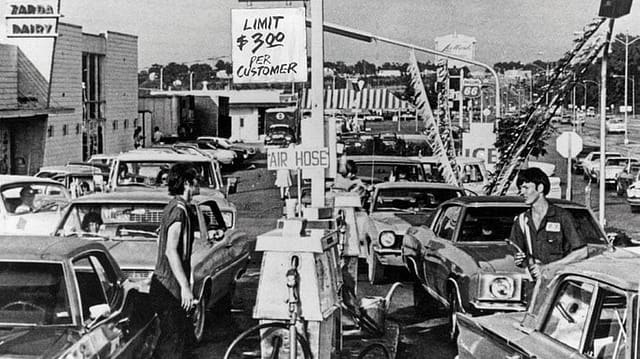
The 1970s global oil crisis ranks among the most disruptive economic events of the twentieth century. Two shocks, in 1973 and 1979, sent rising oil prices through Western economies and triggered stagflation. Today, the Iran war has blocked the Strait of Hormuz, reviving fears of a prolonged 1970 energy crisis.
What Exactly Was the 1970s Global Oil Crisis?
The 1970 energy crisis struck when petroleum shortages and rising oil prices paralysed Western industry across two episodes. The 1973 and 1979 shocks, triggered by the Yom Kippur War and the Iranian Revolution, cut Middle Eastern exports and exposed how deeply industrial economies depended on a single region for survival.
Look Who's Talking Regime Change
23 Oct 2026 - Vol 05 | Issue 43
What Triggered the 1973 Oil Embargo?
After Nixon sought emergency aid for Israel during the Yom Kippur War, Arab oil producers embargoed the United States on October 19, 1973. Rising oil prices jumped nearly 300 percent, from roughly $3 to $12 per barrel globally. The embargo lasted five months and permanently altered Western energy policy.
How Did the 1979 Crisis Deepen the Damage?
During the Iranian Revolution, oil sector workers halted production, cutting output by 2.5 million barrels per day. The Iran-Iraq War reduced supply further, pushing prices to $30 per barrel by July 1980.
What Economic Fallout Did the 1970s Crisis Cause?
Rising oil prices stalled growth and drove inflation simultaneously, giving rise to the term stagflation. The 1970s global oil crisis forced painful trade-offs between controlling inflation and sustaining output. Economists warn the same trap now threatens emerging markets, including India, as import bills climb.
How Does the 2026 Iran War Crisis Compare?
The IEA has called the 2026 disruption the largest supply shock in oil market history. The Strait of Hormuz blockade has stranded nearly 20 million barrels per day, one-fifth of global consumption. Unlike the 1970 energy crisis, this involves a physical blockade, not a political embargo. With Brent crude surging past $112 this March, analysts from Societe Generale warn prices could reach $150. The Iran war shows no signs of a swift resolution, with the Strait still under tight IRGC control.
What Are Governments Doing Right Now?
The IEA has authorised the release of 400 million barrels from emergency reserves, the largest in history, and urged remote work and reduced transport use. The Philippines has begun a four-day working week. Chevron CEO Mike Wirth told S&P Global's CERAWeek that the physical consequences of the Strait of Hormuz closure are already working their way around the world.
(With inputs from yMedia)