Why Brazil’s Push to End the ‘6-1 Workweek’ Is Becoming a Political Win for Lula
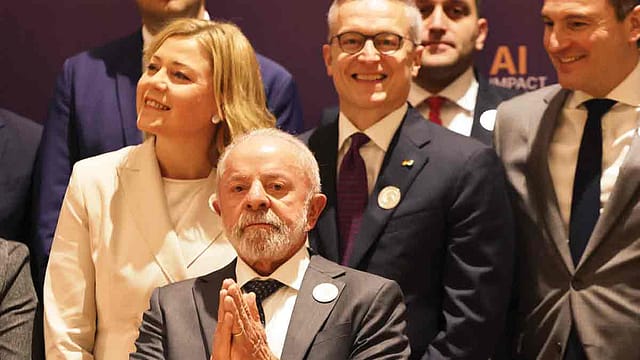
Brazil is witnessing an intense political debate over changing its traditional “6-1” work system, under which employees work six days a week and receive only one day off. The proposed constitutional amendment seeks to replace this arrangement with a five-days-on, two-days-off structure, effectively bringing Brazil closer to the work patterns followed in many other major economies.
The proposal would also gradually reduce the legal weekly workload. Under the negotiated plan, working hours would fall from 44 hours to 42 hours sixty days after the amendment comes into effect. After 12 months, the workload would decline further to 40 hours per week.
Why Is Lula Supporting the Proposal?
According to a report by Folha de S.Paulo cited by Brasil 247, the government of Luiz Inacio Lula da Silva believes the debate could become one of the president’s strongest political advantages ahead of Brazil’s 2026 presidential election.
Officials at the Planalto Palace reportedly see the proposal as an opportunity to strengthen Lula’s image as a defender of workers’ rights and labour protections. The administration believes the issue has already helped reposition Lula at the centre of a historic labour debate that resonates strongly with urban workers and younger employees.
The proposal also aligns with Lula’s broader political strategy of reconnecting with working-class voters while criticising traditional economic structures that are often viewed as favouring businesses over labour interests.

Exclusive: To the Heavens and Back
19 Jun 2026 - Vol 04 | Issue 76
Shubhanshu Shukla relives the space odyssey that put India into orbit
Public Support Gives Momentum to the Proposal
The government’s confidence appears to be backed by strong public sentiment. According to a Datafolha survey published in March, 71 per cent of Brazilians support reducing working hours.
Government allies believe this overwhelming support could increase pressure on lawmakers, particularly senators preparing for reelection later this year. Officials reportedly feel that lawmakers may find it politically difficult to oppose a proposal that enjoys such broad backing among voters.
Even if the measure ultimately fails to pass Congress, members of Lula’s administration reportedly believe the president could still gain politically by portraying himself as a leader who fought for improved working conditions while opponents resisted the reform.
Resistance in Congress and From Business Groups
Despite public support, the proposal faces significant political hurdles.
The Lula government reportedly expects the Chamber of Deputies to approve the amendment after negotiations involving Lula and Chamber Speaker Hugo Motta. However, resistance remains strong in the Senate, where opposition lawmakers and business groups are attempting to slow the proposal and push for changes.
Business sectors are particularly concerned about the economic impact of shorter working hours, especially for industries dependent on continuous labour-intensive operations. These concerns reportedly forced the government to accept a slower transition timeline than it originally wanted.
The administration had initially favoured a faster implementation process but agreed to a gradual reduction in work hours to ease negotiations and reduce resistance from lawmakers and employers.
Why the Debate Matters Politically
For Lula, the debate is about more than labour reform. It is also a symbolic political battle that allows him to frame himself as a leader fighting for ordinary workers while presenting opponents as defenders of an outdated economic system.
Government officials reportedly believe the issue helps Lula reconnect with key voter groups that are expected to shape the 2026 election, particularly younger workers seeking better work-life balance and improved labour conditions.
As the proposal moves through Congress, the outcome may influence not only Brazil’s labour policies but also the political landscape heading into the next presidential race.
(With inputs from ANI)