US Says Iran to Return With Detailed Proposals as Nuclear Talks in Geneva Show Limited Progress
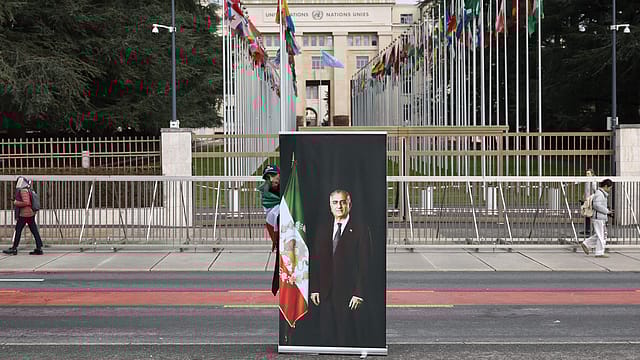
High-stakes nuclear negotiations between the United States and Iran have made some progress, but significant gaps remain, with Tehran expected to return in the next two weeks with detailed proposals to address unresolved issues, a US official said following talks in Geneva.
“Progress was made, but there are still a lot of details to discuss. The Iranians said they would come back in the next two weeks with detailed proposals to address some of the open gaps in our positions,” the official said.
US envoy Steve Witkoff and Jared Kushner, son-in-law to President Donald Trump, held discussions with Iranian authorities in Geneva on Tuesday (local time).
The Modi Years
02 Oct 2026 - Vol 05 | Issue 40
A Nation Rebuilt
Both nations indulged in posturing ahead of the talks, as Trump issued a stern warning regarding the “consequences of not making a deal” ahead of critical diplomatic negotiations scheduled to take place in Geneva.
He asked Iran to be “reasonable” in the next round of talks over the nuclear deal, reminding Tehran of the June 2025 B-2 bomber attack.
Why did Ayatollah Ali Khamenei warn Donald Trump amid US-Iran nuclear tensions?
Iran’s Supreme Leader Ayatollah Ali Khamenei also issued a sharp warning to Trump, asserting that even the most powerful military could face a devastating collapse.
In a series of posts on X, Khamenei challenged the American President's frequent assertions of military dominance, stating, “The US President keeps saying that they have the strongest military force in the world. The strongest military force in the world may at times be struck so hard that it cannot get up again.”
Addressing the increased American naval presence in the region, the Supreme Leader suggested that US hardware remains vulnerable to Iranian countermeasures.
Iran and the United States held the previous rounds of nuclear talks in April 2025. The Iranian nuclear deal dates back to July 2015, when the Joint Comprehensive Plan of Action was signed between Iran and several world powers, including the United States, capping Tehran’s enrichment level at 3.67 per cent and reducing its uranium stockpile to 300 kilograms.
The deal collapsed in 2018 with Trump’s unilateral withdrawal of the US from the accord.
Separately, the White House has informed Israel that nuclear negotiations with Iran are approaching their limit, warning that further diplomatic progress will be difficult as Tehran remains unwilling to accept Trump’s demands, an Israeli official told Channel 12.
(With inputs from ANI)