US-Iran War’s 14-Day Pause: What Happens If Islamabad Talks Fail?
Hours before the US was set to launch a devastating bombing campaign against Iranian infrastructure, Pakistan's quiet but relentless diplomacy secured a two-week ceasefire, pulling the Iran war back from its most dangerous threshold yet. With peace talks now scheduled for April 10 in Islamabad, the question is no longer whether Pakistan could broker a pause, but whether anyone can build something lasting on it.
Why Was Pakistan the Only Country Both Sides Would Trust?
Pakistan's role was no accident. Islamabad maintained a "brotherly" relationship with Tehran through shared borders and historic ties. Simultaneously, President Trump reportedly called Pakistan's Army Chief, Field Marshal Asim Munir, his "favourite" Field Marshal, giving Islamabad rare access to both camps.
What Did Pakistan's Backroom Diplomacy Look Like?
According to the BBC, negotiations were conducted by "a very small circle" within Pakistan's establishment. Field Marshal Munir reportedly remained in contact through the night with US Vice President JD Vance, Special Envoy Steve Witkoff, and Iranian Foreign Minister Abbas Araghchi, as per Al Jazeera.
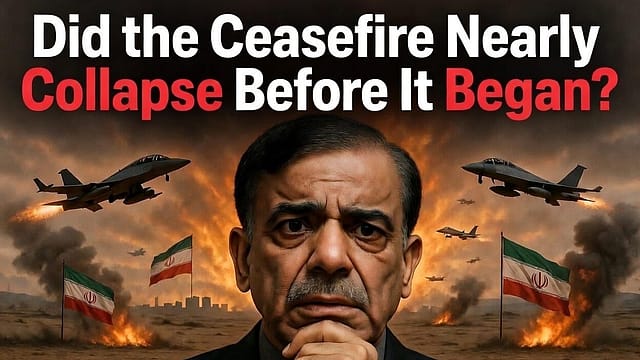
Did the Ceasefire Nearly Collapse Before It Began?
Almost. Pakistan's Foreign Minister Ishaq Dar told parliament Islamabad had been "very optimistic" until Israel struck Iran and Iran retaliated against Saudi Arabia. Field Marshal Munir reportedly said the attack "spoils sincere efforts to resolve the conflict through peaceful means.”

Open Minds 2026
26 Jun 2026 - Vol 05 | Issue 26
The power of ideas and arguments in 50 portraits
What Pressure Did Pakistan Quietly Apply on Iran?
Pakistan holds a defence pact with Saudi Arabia, not yet invoked, which signalled where Islamabad's red lines lie. Analysts reportedly suggested this added quiet but meaningful pressure on Tehran at a critical juncture.
What Did the Two-Week Ceasefire Deliver?
Trump announced the ceasefire hours before his own deadline, citing Pakistan's intervention directly. The pause secured a temporary opening of the Strait of Hormuz and confirmed Islamabad as the venue for the next round of negotiations.
What Happens If the Islamabad Talks Fail?
The ceasefire remains deeply fragile. Based on the BBC, a Pakistan source cautioned of "continued fragility," with no real trust yet between the two sides. Iran's 10-point proposal, reportedly including sanctions relief and continued Hormuz control, remains far from what Washington will accept.
Pakistan's intervention prevented catastrophic escalation of the Iran war. What unfolds at the Islamabad table will determine whether this two-week ceasefire marks a turning point or merely delays the inevitable.
(With inputs from yMedia)