Trump-Netanyahu Iran war row: Israeli PM pushes for fresh strikes as US favours diplomacy
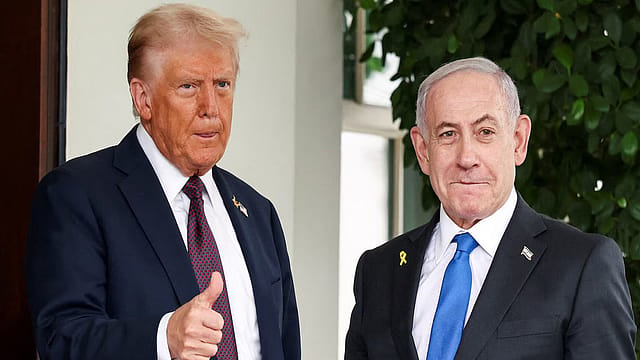
The war with Iran may have entered a quieter phase, but the battle over what comes next is far from over. Israeli Prime Minister Benjamin Netanyahu is reportedly pressing US President Donald Trump to restart military strikes against Tehran, while Arab leaders are urging Washington to give negotiations another chance. Caught between the competing demands, Trump has indicated that he is in no hurry to launch another major offensive.
Netanyahu reportedly calls Trump daily to push for fresh Iran strikes
According to a Financial Times report, Netanyahu has been contacting Trump every day to advocate renewed military action against Iran. The newspaper quoted a person familiar with the discussions as saying: “Netanyahu calls him every day [to urge him to resume the war]. Those who don’t want a war within the White House and outside have been trying to combat that,”

The Era of Forever Wars
30 Oct 2026 - Vol 05 | Issue 44
Coping with an explosive Middle East
The reported pressure comes as the Israeli leader seeks to prevent Washington from easing its military and economic pressure on Tehran. Netanyahu and Trump also discussed Iran in a recent conversation described by US administration sources to Axios as "frank".
However, the reported lobbying has not translated into a decision to resume large-scale attacks. Trump appears increasingly inclined to maintain the existing pressure while allowing diplomatic efforts to continue.
Trump says Iran war is 'effectively over' after Qatar talks
On November 9, Trump met Qatari Prime Minister Sheikh Mohammed bin Abdulrahman Al Thani at the White House. Qatar has been acting as a key intermediary between Washington and Tehran, carrying messages and exploring possible terms for ending the conflict.
After the meeting, Trump told reporters: “Iran militarily is effectively over,” adding, “We’re just keeping it the status quo.”
In a Truth Social post, he said Qatar, Saudi Arabia, the United Arab Emirates, Bahrain, Kuwait and other regional countries preferred the current arrangement. He also warned that American forces remained ready to act if circumstances changed, although he described a fresh offensive as unlikely.
The remarks mark a shift in tone after months of threats and military action. The war, launched by the US and Israel on February 28, has also become a political liability for Trump, with Republicans suffering major setbacks in the November midterm elections.
What is Iran offering in the proposed peace deal?
Qatar's mediation efforts centre on an interim arrangement that could reopen the Strait of Hormuz, a critical route for global oil shipments. Under the proposal discussed by mediators, Iran would restore shipping access in return for the US lifting its naval blockade and easing restrictions on Iranian assets and trade. Broader negotiations on the nuclear issue would follow.
Iran has also put forward a two-day framework for restarting talks. Iranian Foreign Ministry spokesperson Esmaeil Baghaei said Tehran wanted the US blockade lifted, sanctions eased and hostilities ended before negotiations could resume.
Washington, however, has not accepted the proposal. US Secretary of State Marco Rubio has described some of Iran's demands as unrealistic, while officials on both sides remain divided over the sequence of concessions.
Qeshm Island strikes show military tensions have not disappeared
Despite Trump's preference for maintaining the status quo, military activity has not stopped. US forces carried out limited strikes on Iranian targets on November 3 and November 6, including reported attacks on Qeshm Island near the Strait of Hormuz.
Trump described the November 6 operation as a minor strike against an Iranian anti-aircraft system. The Associated Press reported that a US official characterised the earlier action as defensive, aimed at Iranian forces threatening American assets.
Meanwhile, Iran has continued to warn against further attacks, and reports of tanker incidents have kept shipping concerns high.
Can Gulf diplomacy prevent another US-Iran escalation?
Qatar is not alone in urging restraint. Saudi Crown Prince Mohammed bin Salman, UAE President Sheikh Mohamed bin Zayed Al Nahyan and Turkish President Recep Tayyip Erdogan have also been involved in diplomatic outreach. Erdogan has publicly stressed that the dispute should be resolved through dialogue.
For now, Trump appears to be weighing these appeals against Netanyahu's reported calls for renewed military action. A deal remains far from certain, but the immediate question is whether diplomacy can hold long enough to prevent another round of strikes.
(With inputs from ANI)