Jensen Huang's China push under scrutiny: Nvidia CEO's remarks resurface amid alleged spy link
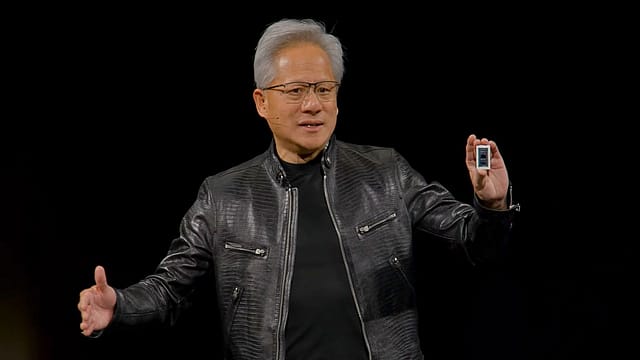
Nvidia CEO Jensen Huang's pitch for a bigger role in China's artificial intelligence market is facing renewed scrutiny after reports linked him to a Chinese businesswoman whom US intelligence agencies reportedly believe was working for Beijing. An October interview with Fortune, in which Huang described China's AI opportunity as "large and growing", has now drawn fresh attention as Nvidia's board investigates whether the executive was targeted by a foreign intelligence operation.
The interview took place before The New York Times published its report about Alice Huang, a Chinese businesswoman and former executive at Singapore-based data centre company Megaspeed International. The two are not related. US authorities reportedly concluded that Alice was a Chinese intelligence asset.
Jensen Huang called China's AI market a 'large and growing' opportunity
Asked by Fortune whether Nvidia expected its sales in China to recover, Huang acknowledged that relations between Washington and Beijing would remain complicated, describing the situation as a "natural tension" that "lasts a long time".

The Era of Forever Wars
30 Oct 2026 - Vol 05 | Issue 44
Coping with an explosive Middle East
He also explained why he believed the market remained important to Nvidia. "I think the opportunity in China is large and growing, just like the AI market across the world is large and growing," he told Fortune. "We could be of great service to the local market. We can compete and win as much of the AI market as possible for the United States, while also providing compute resources, which is really important to their economy," he added.
Huang has consistently argued that restricting American chipmakers from China could hand an advantage to domestic competitors. However, there is no established evidence that his reported personal relationship influenced his public position on export controls.
Who is Alice Huang and why is Megaspeed under scrutiny?
Alice Huang, also known as Huang Le, is a Chinese businesswoman who became the controlling shareholder of Megaspeed International, a Singapore-based cloud computing company listed by Nvidia as an official cloud partner.
A Reuters investigation published on November 10, based on corporate filings and financial records, traced her career through senior positions in Chinese finance before her involvement in the semiconductor and cloud-computing industry.
Megaspeed has attracted US scrutiny over suspicions that it helped Chinese customers gain access to advanced Nvidia chips restricted under American export controls. According to earlier reporting by The New York Times, the company's Malaysian affiliate purchased at least $4.8 billion in equipment containing Nvidia chips between June 2024 and February 2026.
US intelligence agencies reportedly believe Alice was recruited to gather information on Huang and potentially influence the availability of advanced chips to China. Beijing has rejected the espionage allegations.
How US chip export controls complicated Nvidia's China business
Washington introduced restrictions on advanced semiconductor exports to China in 2022 and tightened them in 2023. Nvidia responded by developing less powerful chips for the Chinese market, including the A800 and H800, but subsequent restrictions affected those products too. Its H20 model later faced licensing requirements.
Huang has repeatedly criticised the restrictions. In October 2025, he said Nvidia's share of China's advanced AI chip market had fallen from 95 per cent to zero.
Although the Trump administration announced in December 2025 that approved Chinese customers could buy Nvidia's H200 chips under controlled conditions, the arrangement has not restored the market. Nvidia's July 2026 filing with the US Securities and Exchange Commission said Chinese government restrictions had limited purchases, with permitted H200 shipments accounting for less than 1 per cent of its data-centre revenue in the latest quarter reported.
Nvidia board launches investigation as US lawmakers seek answers
The latest revelations have prompted Nvidia's board to appoint a committee of independent directors, supported by outside counsel, to examine whether company secrets or national security information were compromised. The board has said it has "no reason to believe" either was.
Huang acknowledged being unfaithful to his wife in a message to employees and said he would cooperate with the review. US President Donald Trump said on November 9 that the FBI was also looking into the matter, without offering further details.
Meanwhile, Republican leaders of three House committees have sought a private briefing from Huang on his dealings with Alice and the company's safeguards against foreign intelligence threats.
The controversy now places Nvidia's China strategy under an even brighter spotlight. The central question is not simply whether Huang wanted access to a lucrative market, but whether the reported relationship exposed sensitive information or created risks for a company at the heart of America's AI ambitions. That is what the board's investigation and any subsequent congressional scrutiny will need to establish.
(With inputs from ANI)