The NeeDoh Trend Is Putting Children in Burn Units. Here Is What Every Parent Needs to Know
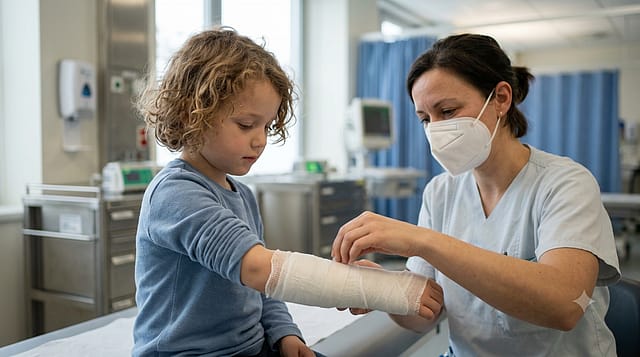
A toy designed to soothe is now landing children in hospital burn centres.
The NeeDoh trend, which involves heating the popular squishy toy in a microwave, has resulted in serious injuries across the United States.
Doctors are urging parents to act before their child encounters this challenge online.
What Is the NeeDoh Trend?
The NeeDoh trend involves children microwaving NeeDoh cubes after seeing or hearing about the idea through social media and peer groups.
The appeal is curiosity about what happens when the toy is heated. What happens, doctors confirm, is dangerous.

The Vanguard
21 Aug 2026 - Vol 05 | Issue 34
BJP Rearmed for 2029
What Happens When a NeeDoh Cube Is Microwaved?
When heated, the squishy toy can explode, sending scalding goo onto whoever is nearby.
According to The New York Times, a nine-year-old boy in Plainfield, Illinois, microwaved a NeeDoh cube before school after a friend described the trend.
The toy burst, burning his face and hands and swelling one eye shut. He was hospitalized overnight with second-degree burns.
How Serious Are the Injuries?
Most burns linked to the NeeDoh trend have been second-degree, meaning blistered, open wounds that are intensely painful and can cause permanent scarring.
Are Regulators Paying Attention?
Roughly half a dozen reports have been submitted to the Consumer Product Safety Commission describing children receiving emergency care after heated NeeDoh cubes burst open, as per The New York Times.
Some children were burned simply after leaving the squishy toy in a hot car.
What Has the Manufacturer Done?
Schylling, which makes NeeDoh toys, has partnered with platforms including TikTok to remove content showing product misuse and has added safety warnings to packaging.
The company reportedly sold a full year's worth of inventory in just nine weeks this year, reflecting the toy's enormous reach.
Have Schools Responded?
Some summer camps and schools have already banned NeeDoh cubes from their premises in response to the growing safety concerns.
What Should Parents Do Right Now?
Doctors say parents should speak directly with their children about what they encounter online.
According to The New York Times, Dr Elizabeth Murray of the American Academy of Pediatrics called this an opportunity to talk to children about navigating social media content critically.
The NeeDoh trend is a reminder that the distance between a viral video and a trip to the emergency room can be dangerously short.
(With inputs from yMedia)