Takaichi’s Taiwan Line Hardens Japan’s China Stance, and Raises Alarm at Home
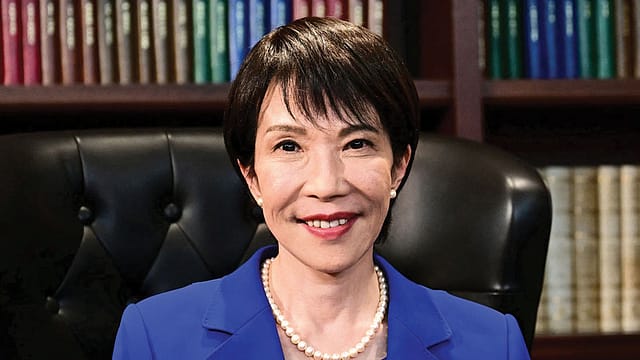
Japanese Prime Minister Sanae Takaichi’s uncompromising comments on Taiwan have ignited fresh tensions with China and triggered growing unease within Japan’s political establishment about the direction of her leadership.
Takaichi’s suggestion that Japan could exercise its right to collective self-defence in the event of a Chinese attack on Taiwan has drawn a sharp response from Beijing and unsettled moderates in Tokyo. Critics warn that the absence of experienced China-hands and dissenting voices around her risks pushing Japan into a more confrontational posture without sufficient diplomatic ballast.
The concern is not limited to foreign policy. Since taking office as Japan’s first female prime minister on October 21, Takaichi has consolidated power by aligning with conservative factions while distancing herself from traditional moderating forces within the ruling Liberal Democratic Party (LDP). An opposition lawmaker warned that this has left ‘few remaining checks’ on her hardline approach.
The Modi Years
02 Oct 2026 - Vol 05 | Issue 40
A Nation Rebuilt
The rupture became more pronounced when Komeito, the LDP’s centrist coalition partner for 26 years, exited the alliance less than a week after Takaichi won the party presidency. Komeito, backed by the Soka Gakkai Buddhist organisation, has historically served as a crucial informal bridge with Beijing, emphasising dialogue during periods of strain. Its departure has removed a key diplomatic buffer.
Takaichi is widely viewed as the political heir to Shinzo Abe, whose strong security stance she openly admires. But observers note a crucial difference: Abe paired firmness with outreach. Even as he backed Taiwan, Abe made China his first overseas destination as prime minister and relied on China-friendly intermediaries to stabilise relations during crises.
Those intermediaries are now largely absent. Figures such as former LDP secretary-general Hiroshi Moriyama, who helped persuade Beijing in 2025 to resume imports of Japanese food products, no longer sit close to power. Some of those imports were again suspended following Takaichi’s Taiwan remarks, underlining the economic risks of diplomatic friction.
On the domestic front, Takaichi has stacked her Cabinet with advocates of expansionary fiscal policy, sidelining calls for restraint on government bond issuance. With her ruling bloc holding only a slim majority in the lower house and lacking control of the upper house, she has sought support from fiscally dovish opposition parties—raising questions about policy coherence.
Analysts warn that a leadership circle dominated by like-minded advisers could complicate both diplomacy and economic management. Political commentator Harumi Arima noted that as lawmakers with wartime experience fade from politics and Komeito exits government, long-standing restraints on defence expansion have weakened.
Opposition leader Ichiro Ozawa has accused Takaichi of ‘pouring fuel on the fire,’ questioning whether she can be trusted to make sound judgments at a time of heightened regional volatility.
As China, Taiwan and the United States remain locked in a delicate strategic balance, Japan’s choices carry outsized consequences. The question now is whether Takaichi’s hard line will enhance deterrence or isolate Japan diplomatically at a moment when restraint may matter as much as resolve.