Strait of Hormuz Set to Reopen? Ceasefire Proposal Awaits Iran’s Response
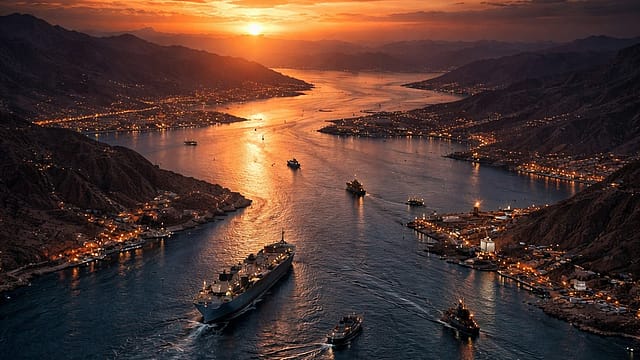
A fragile diplomatic opening has emerged in one of the world’s most volatile flashpoints, as a backchannel framework to halt hostilities between the United States and Iran raises cautious hopes of de-escalation and the reopening of the critical Strait of Hormuz.
Is a ceasefire between the US and Iran finally within reach?
A high-stakes diplomatic push may be inching the United States and Iran closer to a ceasefire, with a framework quietly circulated that could halt hostilities as early as Monday. According to Reuters, the proposal—crafted and relayed by Pakistan—outlines a two-phase roadmap aimed at stabilising tensions and reopening the strategically vital Strait of Hormuz.
At the heart of the proposal lies urgency and precision. “All elements need to be agreed today,” a source familiar with the talks said, underscoring the narrow window for consensus. The initial agreement is expected to take the form of a memorandum of understanding, finalised electronically through Pakistan, which has emerged as the sole communication channel between the two sides.

Losing Memory
16 Oct 2026 - Vol 05 | Issue 42
The making of a medical and social emergency
What does the proposed ‘Islamabad Accord’ include?
The framework reportedly envisions an immediate ceasefire, followed by a 15–20 day window to negotiate a comprehensive settlement. Tentatively dubbed the “Islamabad Accord,” the deal would lay the foundation for a broader regional framework governing the Strait of Hormuz, culminating in in-person negotiations in Islamabad.
Beyond the immediate truce, the proposed agreement could reshape regional dynamics. It is expected to include Iranian commitments to refrain from pursuing nuclear weapons, in exchange for sanctions relief and access to frozen financial assets.
Why is the Strait of Hormuz central to these talks?
The reopening of the Strait of Hormuz—one of the world’s most critical oil transit chokepoints—is a central pillar of the proposal. Any disruption in the strait has far-reaching consequences for global energy markets, making its status a key driver behind urgent diplomatic efforts.
What role is Pakistan playing in the negotiations?
Pakistan has taken on an unusually pivotal role, acting as the primary intermediary in the talks. According to sources, Pakistan’s army chief, Asim Munir, has been in constant touch “all night long” with key figures including US Vice President JD Vance, special envoy Steve Witkoff, and Iranian Foreign Minister Abbas Araqchi.
Despite this intensive outreach, Pakistan’s foreign office spokesperson Tahir Andrabi has declined to comment publicly on the developments.
Has Iran agreed to the ceasefire proposal?
Uncertainty continues to loom large. While the framework has been shared and discussions are ongoing, Iran has yet to formally commit. “Iran has not responded yet,” one source said, highlighting the fragile nature of the negotiations.
Previous signals from Tehran suggest it is seeking more than a temporary halt in hostilities. Iranian officials have indicated a preference for a permanent ceasefire, backed by guarantees against future attacks by the United States and Israel.
How does this fit into broader diplomatic efforts?
The latest proposal comes amid intensified mediation involving multiple regional players, including Pakistan, Turkey and Egypt. It also aligns with reports that discussions are underway for a potential 45-day ceasefire that could eventually pave the way for a permanent resolution.
However, with no official confirmation from either Washington or Tehran, the situation remains fluid—caught between cautious optimism and geopolitical reality.
(With inputs from yMedia)